Skip to content

Sign In

Dwarf Orange Mexican Crayfish (Cambarellus patzcuarensis)

Dwarf Orange Mexican Crayfish (Cambarellus patzcuarensis)

<p>Earn%20[points_amount]%20when%20completing%20this%20purchase.</p>

Sub total:

$12.00

Useful add-ons

Loading add-ons…

View full details
Description
Dwarf Crayfish

Dwarf Orange Mexican Crayfish

A vivid tangerine-orange dwarf crayfish that stays under two inches, leaves plants intact, and brings active, personality-driven behavior to nano and planted tanks.

Cambarellus patzcuarensis Under 2 Inches Full Grown Plant Safe Vivid Orange Coloration Peaceful Nano Species Freshwater Breeding

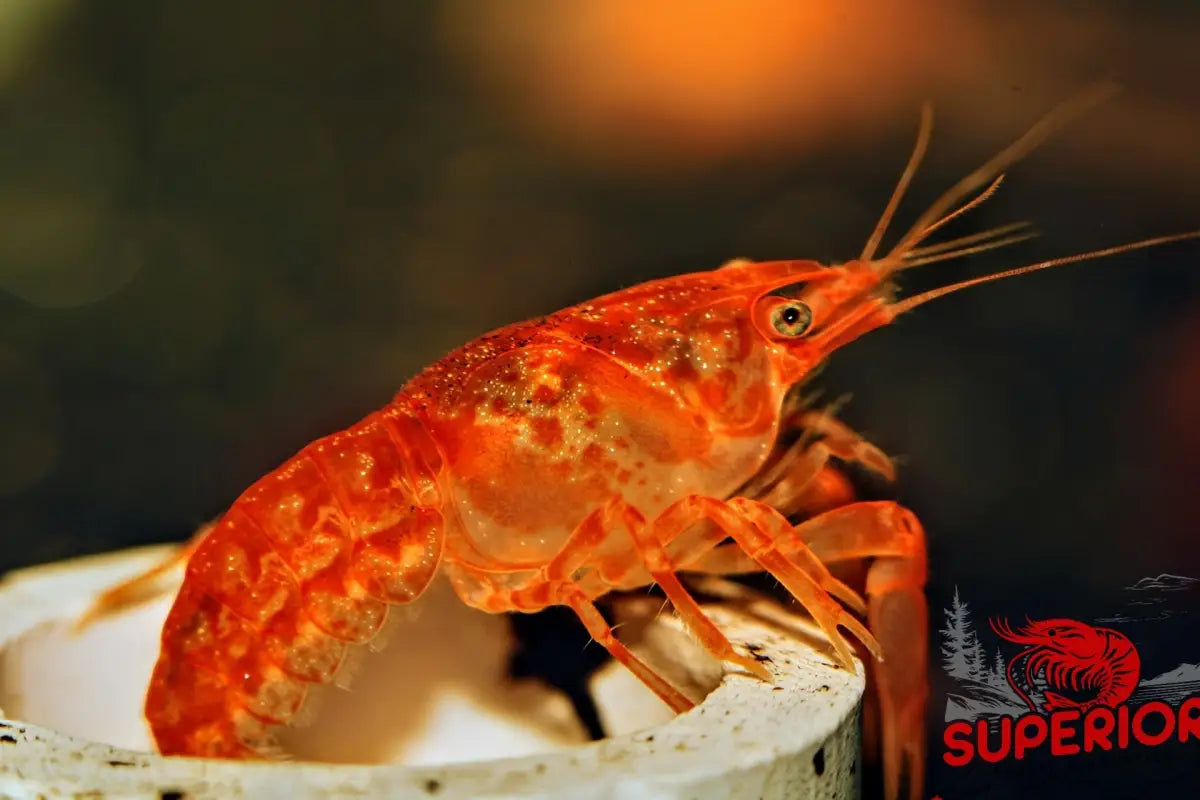
The Dwarf Orange Mexican Crayfish (Cambarellus patzcuarensis) — commonly called CPO — is the dwarf crayfish that made the entire category worth keeping. Native to Lake Pátzcuaro in Michoacán, Mexico, CPOs are selected for a vivid tangerine-to-burnt-orange coloration that holds across the body and claws, visible from across the room in a well-lit planted tank. They reach a maximum size of around 1.5 to 2 inches, making them genuinely nano-appropriate in a way that standard crayfish species never are. Critically for a planted tank keeper, they are plant safe — unlike larger crayfish that shred and uproot vegetation, CPOs leave plants alone and spend their time investigating substrate, foraging across hardscape, and occupying the bottom-dwelling niche with the active, exploratory behavior that makes them one of the most engaging invertebrates in the hobby. They breed in freshwater without any special conditions and carry eggs and raise young in the same manner as larger crayfish — making breeding observation a readily accessible experience in any stable CPO tank.

6.5–8.0 pH
6–15 GH
2–10 KH
65–77°F Temperature

Behavior & Appearance

Vivid tangerine-to-burnt-orange coloration across body and claws — CPO coloration ranges from a bright tangerine orange to a deeper, richer burnt orange depending on the individual and breeding line. The color covers the carapace, abdomen, and claws evenly in the best specimens, with no patchy or faded areas. Color intensity is maintained and often deepens with good nutrition and stable water conditions — a well-fed CPO in an established tank is one of the most vividly colored freshwater invertebrates available. Stays under two inches — genuinely nano-appropriate — adult CPOs typically reach 1.5 inches, with exceptional individuals occasionally approaching 2 inches. This makes them suitable for tanks as small as 5 gallons for a pair or small group, and genuinely compatible with nano tank layouts where standard crayfish species — which can reach 4–6 inches — would be entirely inappropriate. Their small size also means they pose no meaningful predation threat to adult snails or larger invertebrates. Plant safe — will not shred or uproot vegetation — this is the characteristic that makes CPOs viable in planted tanks where other crayfish cannot go. They do not dig up substrate, do not target plant stems or leaves for destruction, and will not systematically dismantle a planted layout. Occasional minor nibbling on very soft plant material is possible but not typical — hardier plants including Anubias, Bucephalandra, Java Fern, and mosses are entirely safe. Active, exploratory bottom-dwelling behavior — CPOs are genuinely active during daylight hours — more so than most freshwater invertebrates. They investigate substrate and hardscape continuously, carry food items to preferred locations, engage in territorial posturing with tankmates, and display a level of individual behavioral character that makes each animal recognizable over time. A CPO tank rarely looks static. Not safe with adult dwarf shrimp — keep separately or with caution — CPOs will opportunistically prey on Neocaridina and Caridina shrimp, particularly during molts when shrimp are vulnerable. They can be kept with larger snail species without issue. The safest approach is a dedicated CPO tank rather than a mixed invertebrate community — though densely planted tanks with abundant cover do allow some shrimp to coexist with CPOs at reduced but nonzero risk. Breeds readily in freshwater with direct parental care — females carry fertilized eggs beneath the tail for four to six weeks, during which they are noticeably more reclusive and defensive. The female continues guarding the young for a period after hatching, with juveniles clustering near and occasionally on the mother before dispersing. No brackish water, hormonal triggers, or intervention is required — stable parameters and adequate nutrition support breeding activity in established colonies.

Getting Started

1 Acclimate slowly to your tank parameters — float the bag for 15 minutes to equalize temperature, then drip acclimate or add small amounts of tank water over 20–30 minutes before releasing. CPOs are hardy but abrupt parameter shifts at introduction cause unnecessary stress. A slow, careful acclimation is the single most impactful thing you can do for a new animal's long-term health.
2 Provide multiple hiding spots and defined territories — CPOs establish and defend small territories, particularly around preferred shelter sites. Providing more hides than there are animals — caves, driftwood crevices, sections of PVC pipe, hollow botanicals — reduces territorial conflict and allows subordinate animals to retreat without sustained harassment. In smaller tanks a single pair or a female-heavy group of three to four minimizes aggression.
3 Feed a varied, protein-inclusive diet — CPOs are omnivores that benefit from dietary variety. A rotation of quality sinking pellets, blanched vegetables, occasional protein-rich foods such as bloodworm or dried shrimp, and natural foraging from a biofilm-covered substrate produces the best color intensity and most consistent breeding activity. Feed small amounts that are consumed within a few hours and remove uneaten food before it degrades water quality.
4 Maintain stable parameters and plan for molting vulnerability — CPOs molt periodically as they grow and are soft and vulnerable for 24–48 hours after each molt. Ensure adequate mineral content in the water (GH of at least 6) to support healthy molt completion and exoskeleton hardening. Remove molt exoskeletons after a day or two, or allow the animal to consume them — eating the old exoskeleton is normal behavior and a useful source of calcium and minerals.
💡 Bonus Tip

A brooding female CPO carrying eggs will often become noticeably less active and more reclusive — spending most of her time in a preferred shelter site fanning the egg mass. This is normal and healthy behavior. Resist the urge to rearrange the tank, move the hide she has chosen, or disturb the area around her during the brooding period. Disruption of a brooding female significantly increases the likelihood of the female abandoning or consuming the clutch. Find the shelter, note its location, and leave it completely undisturbed until the juveniles have dispersed.

🦞
Browse more dwarf crayfish

Explore our full selection of nano-appropriate dwarf crayfish species and color variants. Browse our Dwarf Crayfish collection.

→
Before placing your order, please review our 📋 DOA Policy 🚚 Shipping Info
Reviews
Policies & Disclaimers
Before you order · Crayfish

Policies & Disclaimers

What to expect from your crayfish, how our guarantee works, and what to do when your order arrives.

Size & selection

Crayfish size varies by species and individual. Refer to the specific listing and selected option for any stated purchase size. Adult or maximum sizes in care information describe growth potential, not a guaranteed size on arrival.

Photos & appearance

Photos represent the species or color variety, not the exact animal you will receive. Color, markings and proportions can vary with age, sex, molt stage, lighting and aquarium conditions. A photo of a mature individual does not promise an adult-sized animal. The species and selection stated in your listing apply.

Sex & breeding

Crayfish are selected at random. We currently do not offer specific sexes, sex-selected pairs or guaranteed male-to-female ratios. Breeding and egg-bearing animals are not promised unless explicitly stated in the listing.

Molting & settling in

Crayfish molt as they grow and are vulnerable while their new shell hardens. Provide suitable hiding places and avoid disturbing a freshly molted animal. Follow the care requirements for the particular species. If an animal appears dead or injured on arrival, document it and contact us within the guarantee window rather than waiting for it to settle.

Tankmates & secure housing

Even dwarf crayfish can catch shrimp or other small tankmates. Individual behavior varies, and peaceful cohabitation is not guaranteed. Provide ample shelter and review the species-specific compatibility notes before purchase. A secure lid is recommended because crayfish can climb.

Color, maturity & purchase size

Dwarf species remain small as adults, while other crayfish species can become much larger. An adult-size figure is not a measurement of the animal being shipped, and a juvenile photo should not be used to judge eventual tank size. Check the exact species and any purchase-size information in the listing.

Color can appear different with lighting, substrate, age and molt stage. Representative photos are not a promise of identical markings or color intensity. If you believe the species or selected color variety is wrong, include clear photographs with your message.

Claws, legs & arrival-condition concerns

Look through the unopened bag for the animal’s overall condition and any visibly damaged or missing claws, legs or antennae. Take both a clear close-up and a wider photo showing the animal and packaging; include the shipping label. Do not pull on a limb or handle the animal to demonstrate a concern.

Crayfish can regenerate appendages through later molts, but the timing and extent vary. That biological ability does not mean you should ignore arrival damage or wait for a molt before contacting us. Report what you observe promptly; the full policy governs review and resolution.

Territory, escape routes & breeding expectations

Provide multiple separate shelters and visual barriers when housing more than one crayfish. Dwarf size does not eliminate territorial behavior, and freshly molted individuals are especially vulnerable. A well-fed crayfish can still catch small tankmates; food and cover do not guarantee peaceful cohabitation.

Secure the lid and check gaps around equipment, tubing and cables. Plan the aquarium around the species’ adult size and behavior before it arrives.

Crayfish are selected at random, not by sex. Ordering several does not guarantee that both sexes are present, that a female carries eggs or that breeding will occur. Even a mixed-sex group can have unsuccessful breeding or losses among offspring.

Acclimation & observation

Have the species-appropriate aquarium ready before delivery and follow its acclimation guidance. Allow shelter and a quiet settling period, while continuing to observe water quality, feeding and behavior. Avoid disturbing or attempting to assist a molt.

If an animal appears injured or dead on arrival, document it and contact us within the guarantee window. Do not delay the initial report while waiting for feeding, activity or a future molt.

Bonus animals & your paid count

When inventory allows, our policy provides one bonus animal for every five ordered of the same species. Bonuses are discretionary and are not separately covered for refund or replacement. They count toward the total arriving alive when assessing whether your paid quantity was fulfilled.

For example, if you order 10 crayfish and receive 12, receiving 11 alive fulfills the paid count. If fewer than 10 arrive alive, the shortfall is assessed under the guarantee. Expected bonuses that were not included are not a paid-item shortage.

Checking quantities & reporting a short count

Check the actual animals received against your paid order quantity. For a suspected short count, the full policy calls for a clear counting photo showing all animals, the empty bag and the shipping label before they are introduced into an aquarium. Follow its counting instructions and contact us if you cannot document the count clearly.

Verified miscount claims are resolved with a refund for the missing paid animals under the current policy. A count made after release can be unreliable when animals hide among plants or hardscape.

Before opening: photographs & your first report

Use the email address on the original order and include all arrival concerns in the initial message to support@superiorshrimpaquatics.com within two hours of the carrier’s recorded delivery time. Photograph the sealed bag, visible and countable animals, shipping label, box and packing materials.

If the bag is leaking or damaged, photograph the leak or damage and wet packing before opening. Keep the original photographs and packaging. For cloudy water that prevents counting, take the original cloudy-water photo first and follow the full policy’s specific additional clear-container documentation instructions.

The guarantee contains restrictions on opening bags, acclimation and transfers. Review those instructions before taking action so the evidence needed to assess the claim is preserved.

Arrival problem? Document it promptly.

Email support@superiorshrimpaquatics.com within two hours of the carrier’s recorded delivery time, using the email address on your order.

  • Photograph the original sealed bag with the animals visible and countable.
  • Include the shipping label, outer box and packing materials.
  • Document any bag damage or leakage before opening.
  • Report all arrival losses in your initial message.

Read the full guarantee for photo requirements, cloudy-water documentation and claim eligibility before opening or transferring animals. Approved claims are resolved under the options and conditions stated there.

Shipping & coverage limits

Ground shipping carries increased risk for live animals, and the policy reserves the right to refuse guarantee claims on ground shipments. Choose your shipping method carefully.

The guarantee applies to the first delivery attempt. Redirection, pickup holds and carrier delays can affect eligibility under the full policy. Any product-specific coverage restrictions stated in a listing also apply.

Hitchhikers & quarantine

Live aquatic products can carry tiny hitchhikers or eggs despite inspection. Pest-free arrival is not guaranteed. We recommend quarantining new arrivals before introducing them into an established aquarium.

Returns

Care guidance in this tab does not create additional guarantee requirements or exclusions. Please read the full policies for complete eligibility, documentation, resolution and return requirements.

Shipping Weather Check

Shipping Weather Check

Enter your ZIP for a 14-day forecast at your delivery address. We ship Monday–Wednesday. Wednesday livestock shipments require overnight or 2-day shipping. Live shrimp and aquatic livestock are sensitive to temperature extremes during transit.

Home Shop
Wishlist
Log in