


You will not be allowed to compare more than 4 products at a time
View compareCinnamon Bark
Cinnamon Bark
<p>Earn%20[points_amount]%20when%20completing%20this%20purchase.</p>
Sub total:
$8.00Useful add-ons
Loading add-ons…
Description
Reviews
Description
Botanicals
Cinnamon Bark
Tannin-releasing botanical and natural hardscape accent — warm earthy tones with gentle water conditioning properties.
Tannin & Humic Acid Release
Natural Antimicrobial Properties
Biofilm Surface
Shrimp & Snail Safe
Hardscape Accent
Blackwater & Planted Tanks
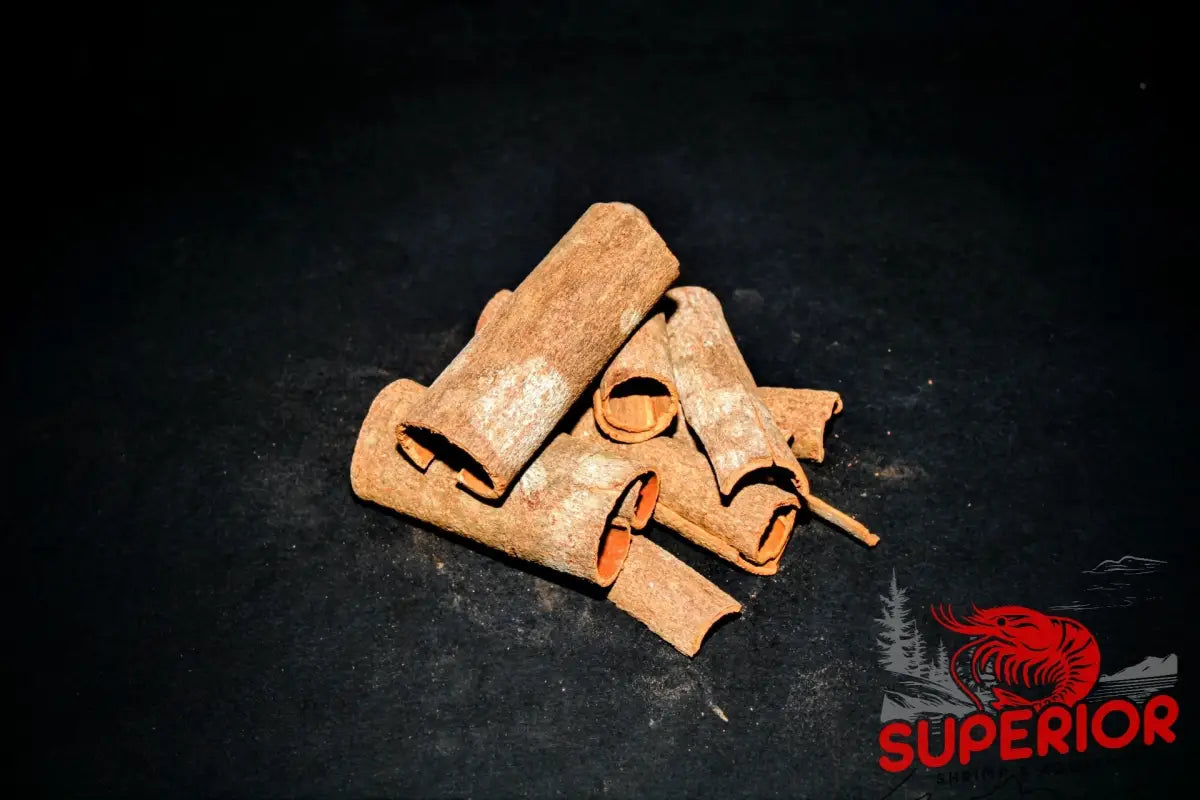
Cinnamon Bark is a natural aquarium botanical that serves double duty in the tank — as a water conditioner and as a visual hardscape element. Submerged, the bark releases tannins and humic acids that gently lower pH, add a warm amber tint to the water, and contribute mild antimicrobial properties that benefit the overall tank environment. At the same time, the textured bark surface develops biofilm over time that shrimp, Caridina, and snails graze on actively. Visually, it adds a warm, organic presence that pairs naturally with driftwood, dark-leafed plants, and other botanicals in naturalistic and blackwater setups.
Low
Tannin Release
Mild
pH Effect
Shrimp Safe
Compatibility
Behavior in the Tank Over Time
Gradual tannin and humic acid release — cinnamon bark releases tannins and humic acids slowly after submersion, contributing a gentle amber tint to the water and providing the mild water conditioning benefits associated with botanical-style aquariums. The effect is subtle compared to catappa leaves or alder cones and builds gradually over days.
Natural antimicrobial properties — cinnamon is known for its mild antimicrobial compounds, which may contribute to a healthier tank environment over time. While not a treatment or medication, it is a popular addition to shrimp tanks for this reason alongside its other benefits.
Biofilm develops on the bark surface — within a week or two of submersion, the textured bark surface begins developing biofilm that shrimp and snails graze on continuously. Larger pieces with more surface area produce proportionally more foraging opportunity.
May float initially — cinnamon bark often floats when first introduced. A brief pre-soak of 24–48 hours in dechlorinated water is usually sufficient to waterlog the bark and allow it to sink naturally before placing it in the tank.
Breaks down slowly over weeks to months — like most botanicals, cinnamon bark softens and decomposes gradually in the aquarium. The decomposition process itself provides additional biofilm surface and feeding opportunity for shrimp. Replace or supplement as pieces break down.
Works as a natural hardscape element — beyond its conditioning properties, the warm reddish-brown tones and layered texture of cinnamon bark sit naturally among driftwood pieces and other botanicals, contributing to the organic, forest floor aesthetic of naturalistic aquascapes.
How to Set It Up
Getting Started
1
Rinse before use — rinse the bark thoroughly under running water to remove surface dust and loose debris before introducing it to the tank. A brief boil of 5–10 minutes can further clean the bark and jump-start the waterlogging process, though it is not strictly required.
2
Pre-soak to encourage sinking — soak the bark in a container of dechlorinated water for 24–48 hours before placing it in the aquarium. This saturates the wood fibers and prevents floating, which can be disruptive in tanks with active surface flow or skimmers.
3
Place directly on the substrate or among hardscape — position the bark where it will be most visible and most accessible to shrimp. Nestling it among driftwood pieces or alongside other botanicals creates a cohesive, natural look while giving shrimp multiple surfaces to explore.
4
Monitor and replace as it breaks down — observe the bark over weeks and months as it softens and decomposes. Partially decomposed bark is still functional and actively grazed by shrimp, but replace or supplement pieces that have fully broken down to maintain the conditioning and aesthetic contribution.
💡 Bonus Tip
Cinnamon bark pairs particularly well with catappa leaves and alder cones in a layered botanical setup — each contributes different tannin profiles, decomposition rates, and biofilm textures, creating a more complex and naturalistic environment than any single botanical can provide on its own.
Complete the setup with live plants
→
Plants provide essential hiding spots and enhance the natural look of your tank, creating a healthier, more enriching environment for your shrimp. Browse our Aquatic Plants collection.