


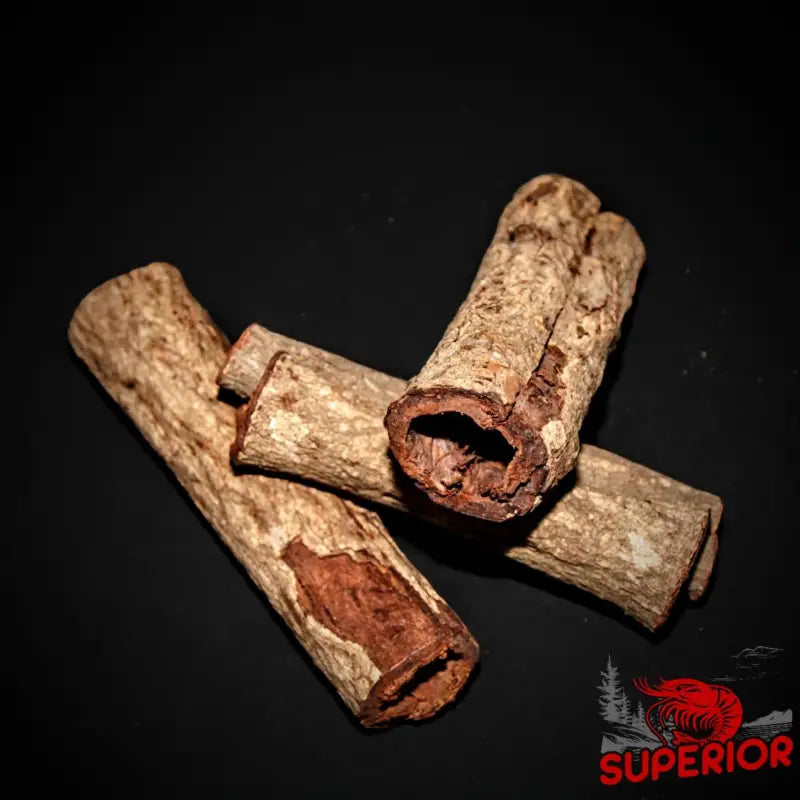
Natural variation & representative photos
Leaves, cones, pods, bark and cholla are natural materials. Pieces can vary in shape, color, thickness, texture and markings. Photographs show examples; they are not a promise of an identical piece or a matched set.
Use the listing and selected option for the quantity and any size range. A pack sold by count is not a standardized weight, and the same number of large pieces can add more material to an aquarium than smaller pieces. Wood, pods and bark also differ from one another in density and structure.
Dry leaves and other delicate materials can be brittle. Small edges, loose fragments or surface irregularities can occur, but this is not a blanket exclusion for damage. If an item appears substantially damaged, incorrect or short, document it and contact us.
Preparation: follow the particular listing
Review the preparation instructions for the exact botanical before adding it. Leaves, bark, cones, pods and wood do not all need the same treatment. Check for loose debris and rinse as appropriate; do not use soap, detergents or scented cleaning products.
Where the product calls for soaking or boiling, follow that guidance and allow material to cool fully before aquarium use. There is no universal boiling time or preparation recipe here. Do not assume preparation makes a natural item sterile or suitable for every species.
Prepare only what you intend to use and assess the material before introduction. If you are uncertain about a smell, coating or unexpected condition in the received package, ask before putting it in an established tank.
Floating, sinking & placement
Dry botanicals can float while they absorb water. Sinking time depends on the material, thickness and preparation; do not assume all pieces will sink immediately or on the same schedule.
Position pieces so they cannot block equipment, obstruct water movement or create an unsuitable tight space for your animals. A decorative shelter still needs to suit the size and behavior of the inhabitants. Check placement again as the material softens or moves.
Tannins, amber water & pH
Many botanicals release tannins and other dissolved organic compounds, which can tint water amber or brown. The amount and speed of release vary by material, preparation, quantity and aquarium maintenance. Color intensity is not a dosing measurement.
Do not use water color as a substitute for testing pH or carbonate hardness (KH). Your water’s buffering capacity affects how it responds. A botanical does not provide a predictable fixed pH reduction or replace appropriate water preparation.
Introduce changes cautiously, especially in low-KH systems. Choose botanicals to suit the inhabitants and monitor actual water conditions rather than adding more to chase a darker color or an advertised visual effect.
Biofilm, softening & decomposition
Once submerged, natural materials become surfaces for microorganisms and gradually break down. A film can develop on wet wood or other botanicals, and shrimp may graze these surfaces. Leaves can soften, develop holes and eventually fragment as part of that process.
The pace differs between leaves, cones, bark, pods and wood. A rapidly softening leaf and a slowly changing piece of cholla should not be expected to last equally long. There is no universal replacement interval for all botanicals.
A film that develops after aquarium introduction should not be confused with visible mold or suspicious contamination inside a dry package. If newly received material appears compromised, photograph it and contact us before use. Do not dismiss every unusual coating or odor as harmless biofilm.
Add gradually & observe the aquarium
Adding a large amount of organic material at once can increase microbial activity and oxygen demand. Start conservatively, maintain water circulation and monitor the aquarium’s response before adding more.
Check water quality and observe your animals. Unexpected cloudiness, odor or distressed behavior calls for investigation, not simply another addition of botanicals. Remove excess decomposing material when appropriate to your tank and maintenance routine.
Botanicals can provide structure and grazing surfaces, but they do not replace filtration, water changes or a suitable diet. They are not a guaranteed treatment for illness or a promise of improved breeding, survival or coloration.
Storage before use
Keep unused dry botanicals dry and protected from moisture and contamination. Avoid storing them where aquarium splashes or condensation can reach the package. Retain the product label and keep different materials identifiable.
Do not put soaked pieces back into the dry supply. Follow any product-specific storage guidance, and ask about newly received material that has unexpected dampness or visible contamination.
Package problems, incorrect items & questions
Inspect your botanicals and its packaging on arrival. If the package is torn, wet, leaking, incorrectly labeled or appears to contain the wrong item or quantity, contact support@superiorshrimpaquatics.com promptly with your order number and clear photos. Include the label, the affected product and packaging so we can understand the concern.
Keep the original packaging and avoid using a product that appears contaminated or compromised while you ask for advice. This is practical documentation guidance, not a new claim deadline or a promise of a particular resolution. A routine unopened return and a report that an item arrived damaged or incorrect are different concerns; tell us which applies.
Existing return terms & exchanges
Food and botanicals are dry goods under our Return Policy. Ordinary returns require prior written authorization and unused, unopened items in their original sealed packaging. Contact us from the email address on your order before sending anything back, and consult the linked policy for its request window and complete eligibility requirements.
The buyer pays return shipping and safe packaging costs. Original shipping charges are non-refundable, and there is no restocking fee. Returned items must arrive in their original condition for inspection.
Approved refunds are processed within 3 business days after receipt and inspection, to the original payment method for the eligible item value. In-store exchanges are available for eligible items with prior written authorization. Promotional, free and final-sale items are subject to the exclusions in the full policy.
Shipping & mixed orders
These products ship as dry goods under our existing shipping practices. Review the delivery address, selected quantity and variant before checkout. Dispatch and delivery timing depend on fulfillment, stock and the selected service; a carrier transit estimate is not a guaranteed ship date.
If your order also includes live animals or plants, review their shipping requirements separately. Adding food or botanicals does not remove the requirements that apply to the live items in that order.
Live Arrival Guarantee scope
The existing Live Arrival Guarantee covers live animals and aquatic plants. It excludes food, botanicals and other dry goods. The livestock reporting window and bonus-animal rules are not food or botanical product guarantees. For an issue with this item, contact us and refer to the Return Policy above.
Product-use guidance is separate from store policy. These explanations do not add return exclusions, claim deadlines or guaranteed outcomes. Read the linked policies for complete terms.