


Buy 2 Get 1 Free: add all three
Choose three eligible plant items and add all three to your cart, including the plant you want free. The discount applies automatically at checkout; no code is needed. Adding only two items does not add a third plant for you.
Mix and match eligible varieties or choose multiple quantities of the same eligible plant. The least expensive eligible item is free. For example, with eligible items priced at $5, $8 and $10, the $5 item is discounted and the plant subtotal is $18 before shipping and tax.
The offer repeats for complete qualifying groups: three eligible items give one free, six give two free, and nine give three free. The current offer has no per-order use limit. Items must be included in the promotion; Plant Weights and other non-plant accessories do not qualify.
An item means the sale unit in your cart. One bunch, cup, portion or multipack counts as one item when purchased at quantity one, not one item for every stem, leaf or bulb inside it. Check the listing and selected option for what each unit contains.
Check the discount and quantities in your order summary before paying. Other promotions can affect the final discount; multiple product discounts do not stack on the same item. This is an online checkout offer, not an automatic in-store POS discount.
Portions, sizes & what you receive
Read this plant’s description and selected option for its sale format, portion size and any stated stem or plant count. A bunch, loose portion, rooted plant, bulb, cup and mounted plant are different products; there is no single size or count that applies to every plant we sell.
A mature height or spread describes potential growth in an aquarium, not the size shipped. Use the advertised purchase portion to plan your order. A full carpet, dense moss-covered surface or established group in a photograph may require several portions and time to grow.
Do not assume that a pot, planting weight, rock, wood, substrate or other display accessory is included unless the listing explicitly says it is. If the received portion appears different from the selected listing, photograph it with its packaging and contact us promptly.
Photos, color & natural variation
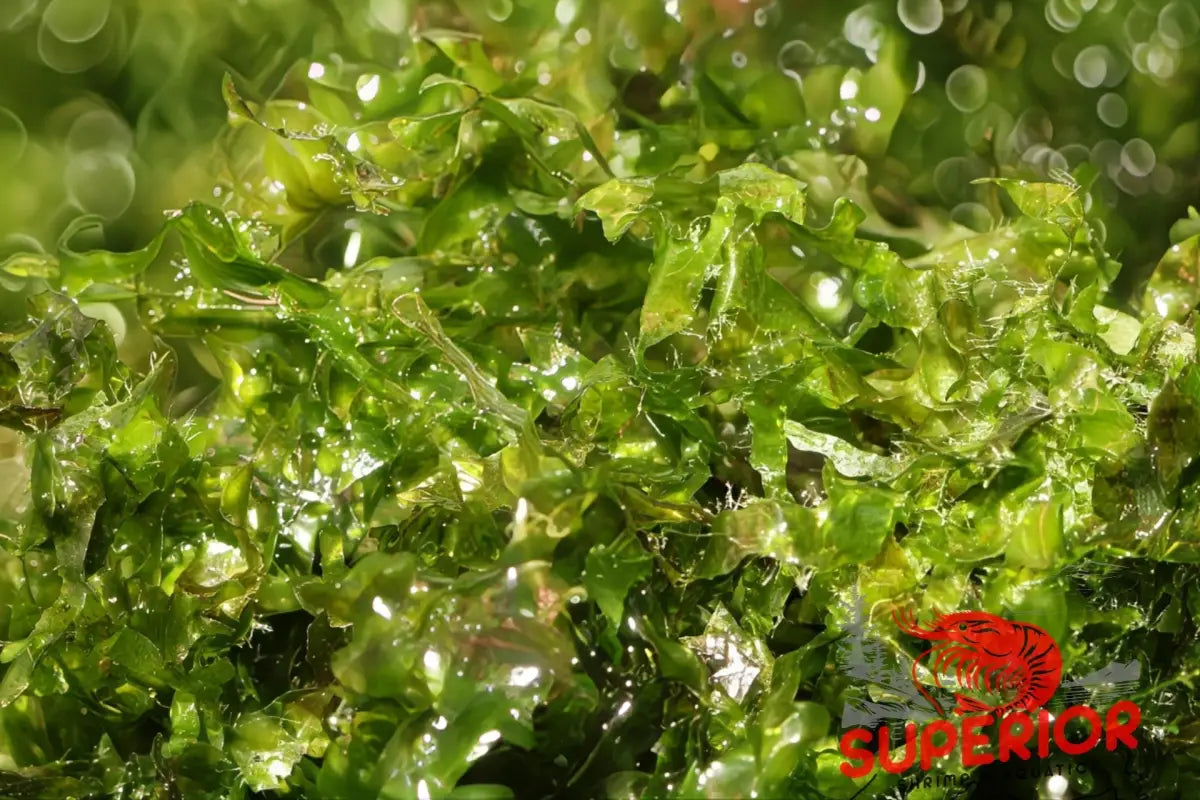
Photos illustrate the named plant or variety and its appearance. Living plants vary in leaf size, shape, root development, branching and fullness; a photo of an established specimen is not a measurement of each portion shipped. The product description and selected option remain the reference for your purchase.
Aquarium lighting, camera settings and the growing environment affect perceived color. Red or pink varieties can look different under different lighting and growing conditions. Do not use a photograph alone to select a plant’s care requirements or expect immediate mature coloration.
Above-water growth & the transition underwater
Some aquarium plants can grow with their leaves above water as well as submerged. These growth forms can have different leaf shapes and appearances. New underwater growth may look different from older leaves as the plant adjusts. This explanation does not mean every plant is supplied in the same growth form; follow any specific information in the listing.
Leaf loss or softening after a change of environment is often called melt. Look at the plant as a whole and its growing points rather than judging only one older leaf. Do not assume that a damaged plant is simply transitioning or wait for new growth before reporting an arrival problem.
This is background care information, not a new exclusion from the Live Arrival Guarantee. Arrival damage is assessed under the existing policy.
Planting: match the method to the plant
For stem plants, separate the stems and plant with room between them. For rosette plants, position the roots in the substrate without burying the crown. Remove transport bindings and growing material carefully where appropriate.
For Anubias and Java fern, keep the rhizome exposed rather than burying it. Moss can be divided into smaller portions and attached to suitable hardscape. Floating plants belong at the surface. Bulbs and tubers need species-specific planting depth; do not assume every type should be fully buried.
Keep plants damp while working. Follow the individual listing for placement and care, especially when a plant has unusual requirements. These are planting tips, not additional conditions for a claim.
Growth, tank conditions & choosing companions
Plan for the plant’s mature size, available light and the space it will occupy. A background stem plant, slow-growing rhizome plant and floating plant serve different roles; a purchase portion does not instantly create a finished aquascape.
Use the listing’s guidance on light, nutrients and carbon dioxide rather than assuming every plant needs the same setup. Growth rate and final appearance depend on aquarium conditions and maintenance. More light alone is not a substitute for a balanced setup.
Consider animals that dig, uproot or eat plants before choosing placement. Floating growth can shade plants below it, and fast-growing plants may need thinning. Observe new growth and make gradual, species-appropriate adjustments.
Hitchhikers & introducing plants
Our existing policy does not guarantee pest-free arrival. Plants can carry tiny organisms or eggs, including snail eggs, despite inspection. Inspect new plants before introduction, and consider separate observation or quarantine to protect an established aquarium.
Do not assume a plant is sterile, pesticide-free or safe for a particular treatment unless the listing explicitly provides that information. Sensitive leaves, mosses and roots can respond differently to dips. Research the exact plant and any treatment before using it; do not apply an animal medication or a strong dip by default.
Arrival problems: document and contact us promptly
For damaged or dead plants, email support@superiorshrimpaquatics.com within two hours of the carrier’s recorded delivery time. Use the email address on the order and include all arrival concerns in your first message.
Send clear photographs of the affected plants and their packaging, with the shipping label or invoice visible for identification. Photograph packaging damage before unpacking or discarding materials, and consult the full guarantee’s documentation instructions. Keep the original photos.
The current guarantee covers aquatic plants but excludes promotional or free items. That existing exclusion also matters when ordering a free promotional plant. Claims and available resolutions are assessed under the full policy; this tab does not expand or reduce coverage.
Shipping your plants
Plants ship Monday and Tuesday, with Wednesday shipping available for 2-day or overnight services. Orders remain subject to stock, fulfillment timing and weather holds under our shipping policy. A shipping-service estimate is not a guaranteed dispatch date.
Plan to receive the package promptly and inspect it on arrival. Review the full shipping information for weather precautions, transit expectations and delivery issues. If your cart also contains live animals, review the shipping requirements for those animals as well.
Returns & order questions
Check the plant name, portion, quantity and selected option before completing checkout. Contact us before sending anything back; returns require prior written authorization under our existing policy. The full return policy explains the applicable conditions.
This tab explains the existing offer and policies alongside plant-care guidance. Care tips do not create new claim requirements or exclusions. Refer to the linked policies for complete terms.