


You will not be allowed to compare more than 4 products at a time
View compareSnowflake Shrimp Food
Snowflake Shrimp Food
<p>Earn%20[points_amount]%20when%20completing%20this%20purchase.</p>
Sub total:
$6.50Useful add-ons
Loading add-ons…
Description
Reviews
Description
Shrimp Food
Snowflake Shrimp Food
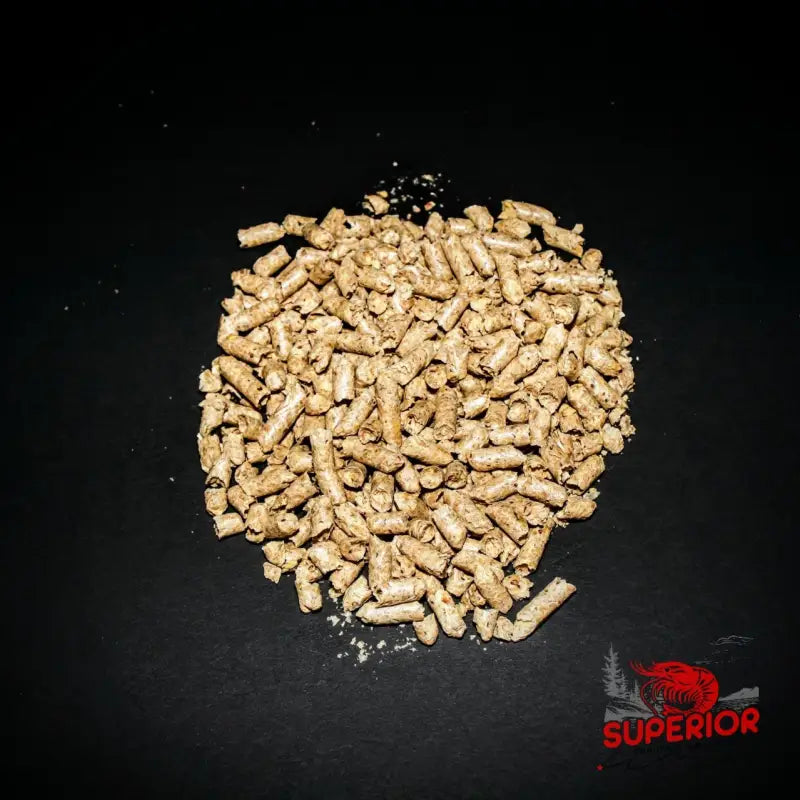
Dried soybean hulls that expand and soften slowly in water, developing a rich surface biofilm that shrimp rasp from the softening material over days -- a long-lasting, high-biofilm staple food for all dwarf shrimp.
Dried Soybean Hulls
Expands and Softens Slowly in Water
Develops Rich Surface Biofilm
Lasts Multiple Days in Tank
No Water Quality Impact
Suitable for All Dwarf Shrimp
Snowflake Shrimp Food is a commercially prepared shrimp food made from dried soybean hulls -- the outer casing of the soybean that is removed during processing and that, when dried and introduced to the aquarium, expands slowly in water, softens gradually over one to three days, and develops a progressively richer surface biofilm as the softening plant material becomes accessible to the microbial communities that shrimp actively feed on. Snowflake food is one of the most widely used supplemental foods in the shrimp hobby specifically because of its sustained presence in the tank: unlike sinking pellets that dissolve and must be removed within hours, Snowflake food can remain in the tank for one to three days as it softens, developing richer biofilm continuously throughout that period and providing a sustained foraging surface that shrimp return to repeatedly rather than consuming in a single feeding event. It produces no measurable water quality impact as it softens -- a meaningful practical advantage in Caridina tanks where water quality sensitivity is highest. Safe for all Neocaridina and Caridina shrimp.
What to ExpectHow It Works and Why
Expands and softens slowly over one to three days -- a sustained foraging surface -- a piece of Snowflake food introduced to the tank expands as it absorbs water over the first few hours, then softens progressively over the following one to three days as microbial activity and physical rasping by shrimp break down the plant cell structure. During this softening period the surface of the food develops progressively richer biofilm -- the most actively grazed biofilm phase typically occurs in the 18-36 hour window as the surface softens but before the structural integrity of the piece is fully compromised.
No water quality impact during the softening period -- safe for Caridina setups -- the soybean hull material does not dissolve rapidly into the water column the way that pellet foods do. It softens from the surface inward, and the slow breakdown means that organic loading into the water column is minimal throughout the food's presence in the tank. This makes Snowflake food one of the few supplemental foods that can be left in a Caridina tank for multiple days without measurable water quality impact -- an important practical quality in low-KH environments where organic loading degrades conditions faster than in buffered setups.
Shrimp rasp actively from the softening surface -- highly visible foraging behaviour -- shrimp feeding on Snowflake food rasp small amounts of material from the softening surface continuously rather than consuming the food in a single event. This produces one of the most visually engaging feeding behaviours available in the shrimp hobby -- multiple shrimp rasping from the surface simultaneously, the gentle mandible activity clearly visible at close range, and the softening surface visibly consumed over the course of the food's presence in the tank. A piece of Snowflake food in an established colony is reliably occupied by five to fifteen shrimp simultaneously during the peak biofilm phase.
Long-lasting and low-maintenance -- introduce every two to three days -- introduce one to two pieces per 20-30 shrimp every two to three days. Unlike pellet foods that require removal within hours, Snowflake food can remain until it is fully consumed or fragmented and then removed. The low-maintenance feeding cadence makes it one of the most practical supplemental foods for keepers who travel or have variable feeding schedules.
Use as a supplement alongside varied feeding -- not as the sole food source -- Snowflake food excels as a biofilm supplement and sustained foraging source but does not provide the complete amino acid, mineral, and vitamin profile required for long-term shrimp health on its own. Pair with a comprehensive mineral-containing sinking staple and occasional spirulina food for a complete feeding rotation.
How to Feed
Getting Started
1Introduce one to two pieces per 20-30 shrimp every two to three days -- drop pieces directly into the tank or use a feeding dish to concentrate the foraging activity in one visible location. Shrimp locate the food by chemical detection within 15-30 minutes of introduction in an established colony.
2Leave for one to three days as it softens -- remove before complete fragmentation -- allow the food to remain in the tank through the peak biofilm phase (typically 18-48 hours) before removing any remaining fragments. In Caridina tanks, remove after two days regardless of how much remains to prevent any contribution to organic load from the later stages of decomposition.
3Use a feeding dish to concentrate the observation zone -- placing Snowflake food in a feeding dish rather than directly on the substrate concentrates shrimp feeding activity in one visible location and makes the highly engaging rasping behaviour easier to observe. It also makes fragment removal easier when the piece has been fully consumed.
4Rotate with pellet and spirulina foods for complete nutrition -- pair Snowflake food (every 2-3 days) with a comprehensive sinking staple (every 1-2 days) and occasional spirulina food for colour-enhancing nutrition. The rotation provides the sustained biofilm foraging of Snowflake alongside the targeted protein, mineral, and vitamin delivery of formulated foods.
Bonus Tip
Snowflake food introduced to a new tank during the bacterial cycling phase -- before livestock are present -- accelerates biofilm establishment on all tank surfaces by providing an organic substrate that supports faster microbial colony development than an inert tank produces on its own. One or two pieces introduced during cycling, left to fully soften and be colonised by bacteria and microfauna, seed the tank surfaces with the diverse biofilm communities that newly introduced shrimp immediately begin exploiting. The cycling tank with active Snowflake food decomposition is biologically more mature for shrimp introduction than a tank cycled without any organic substrate.
Browse more shrimp food
→
Pair Snowflake Food with Spirulina Sinking Pellets and botanical items for a complete shrimp diet. Browse our Shrimp Food collection.