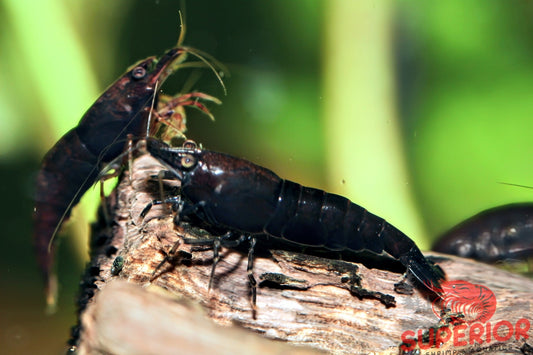
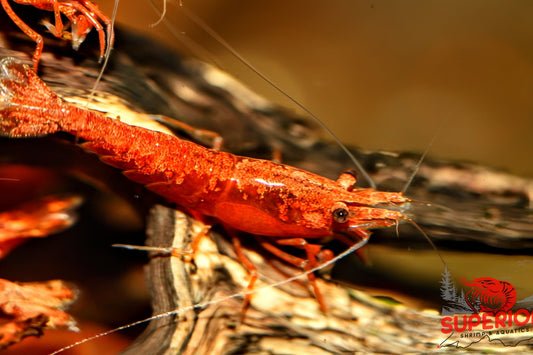
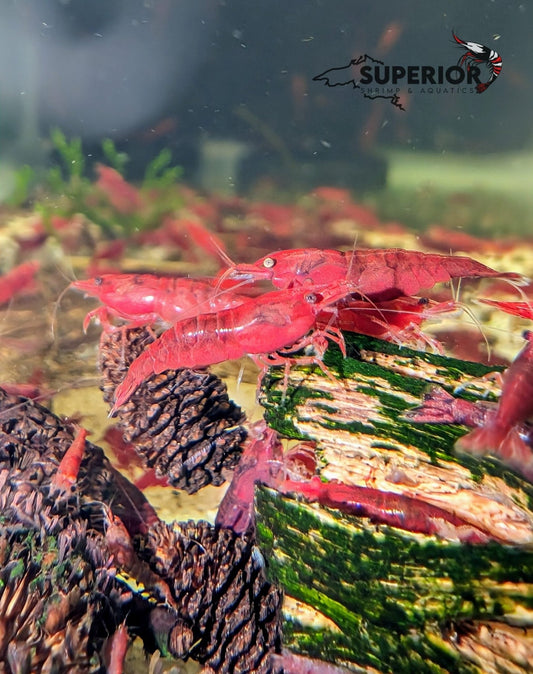
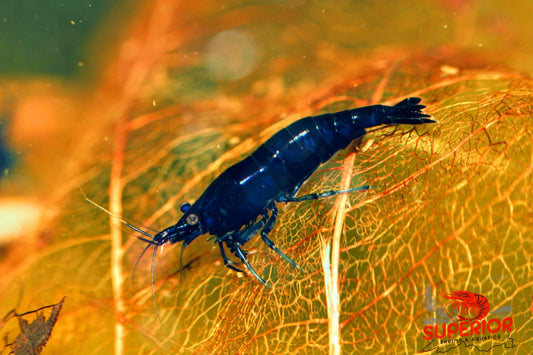
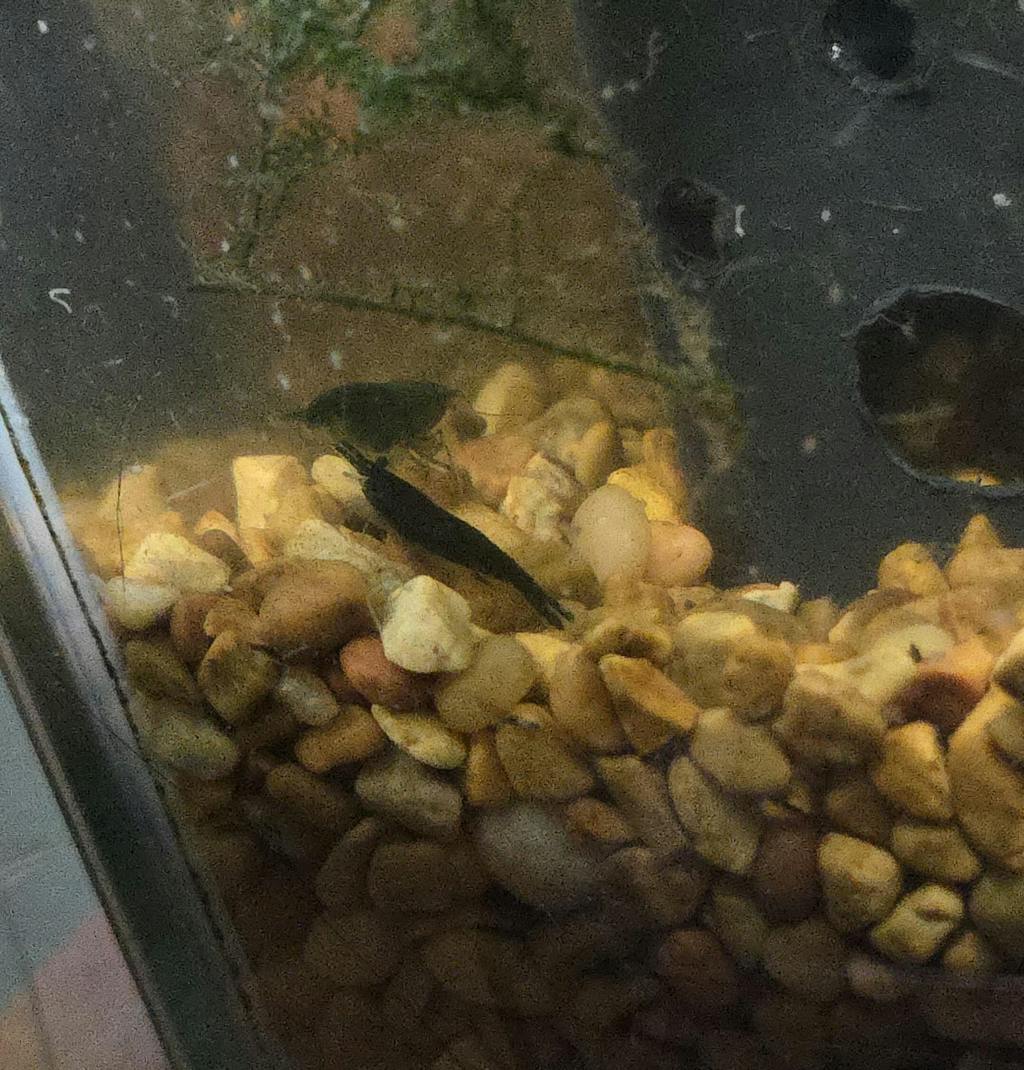
The Green Jelly Shrimp is a color morph of Neocaridina davidi selected for a translucent, jade-green body color with an almost luminous quality that catches light differently from opaque or solid-colored morphs — the body appears to glow faintly from within, particularly under bright lighting or against a dark substrate. Green is one of the rarer and more visually striking directions in Neocaridina selective breeding, sitting apart from the reds, blues, and yellows that dominate most shrimp collections, and the translucent "jelly" quality of this morph adds a depth and clarity that solid-colored variants cannot replicate. Behind the unusual coloration is the same hardy, adaptable, actively foraging Neocaridina that thrives in a wide range of water parameters, breeds readily in freshwater without intervention, and functions as a genuine cleanup crew member in any planted tank. Compatible with other peaceful Neocaridina and community inhabitants, and fully safe with snails and plants.
6.8–7.5
pH
6–12
GH
2–8
KH
65–78°F
Temperature
What to Expect
Behavior & Appearance
Translucent jade-green body with a luminous quality — the defining characteristic of the Green Jelly morph is the combination of green pigmentation and translucency — the body is not a flat opaque green but a clear, jewel-like jade that allows light to pass through in a way that creates an almost internal glow effect. The intensity of the green and the degree of translucency vary between individuals, with the best specimens showing a clean, even jade tone with no clouding or opacity.
Color reads most vividly against dark substrates and backgrounds — the translucent green of the Green Jelly has the most visual impact against dark-colored substrate, dark driftwood, and deep-toned plants that provide contrast. On pale substrates or against light-colored hardscape the coloration can appear washed out — the same translucent quality that makes these shrimp luminous under good contrast conditions makes them recede against pale backgrounds.
Active, constantly foraging behavior throughout the tank — like all Neocaridina, Green Jelly Shrimp spend the majority of their time in motion — grazing algae from glass and hardscape surfaces, picking through substrate for detritus, and working through plant leaves for biofilm. The translucent body means internal organs and the digestive tract are visible when the shrimp is actively feeding — a green-tinged gut visible through the body is a normal and healthy sign of active foraging.
Berried females display egg clusters visible through the body — females carrying eggs show the clutch beneath the tail, fanned and aerated regularly. Egg color in Neocaridina is not determined by body color morph and can range from yellow and green to grey and brown regardless of the shrimp's coloration — what makes a berried Green Jelly female particularly striking is the translucency of the body itself, which on the most transparent individuals makes the egg mass visible not just beneath the tail but through the body wall.
Breeds readily under stable Neocaridina parameters — Green Jelly Shrimp breed as freely as any other Neocaridina morph under stable water conditions. Females carry eggs for approximately 25–30 days before releasing fully formed shrimplets. No brackish water, hormonal triggers, or special conditions are required — consistent parameters and adequate food are sufficient for ongoing colony reproduction.
Hardy and tolerant of a wide parameter range — the underlying Neocaridina hardiness of this morph means it adapts well to a range of water conditions within the acceptable parameters and handles the minor fluctuations typical of established aquariums without issue. It is an appropriate choice for beginner shrimp keepers as well as experienced hobbyists expanding a Neocaridina collection with a rarer color morph.
How to Set It Up
Getting Started
1
Acclimate slowly to your tank parameters — float the bag for 15 minutes to equalize temperature, then drip acclimate or add small amounts of tank water over 20–30 minutes before releasing. Neocaridina are hardy but sudden shifts in pH or temperature at introduction cause stress and increase post-arrival loss. Slow acclimation is the single most important step in a successful introduction.
2
Use a dark substrate to maximize color visibility — dark-colored substrate — black, dark brown, or deep grey — provides the contrast that makes the Green Jelly's translucent jade color read most clearly. If your tank already uses a pale substrate the shrimp will still thrive, but the full visual impact of this morph is most apparent in a darker-bottomed setup.
3
Provide dense planting and multiple hiding spots — mosses, fine-leafed plants, and hardscape with crevices give shrimp refuge during molts and shrimplets safe foraging territory from the moment they are released. A well-planted tank with established biofilm significantly improves both adult comfort and shrimplet survival rates in any Neocaridina colony.
4
Feed a varied diet and avoid overfeeding — supplement natural biofilm grazing with a quality shrimp food rotated across protein-rich, plant-based, and mineral-supplementing options two to three times per week. Remove uneaten food after a few hours. Well-fed shrimp maintain stronger coloration, molt more consistently, and breed more actively than underfed colonies — but overfeeding degrades water quality faster than almost any other husbandry mistake.
💡 Bonus Tip
Green Jelly Shrimp are one of the most striking Neocaridina morphs to keep alongside Bucephalandra with a strong iridescent sheen — the jade-green translucency of the shrimp and the blue, silver, or violet iridescence of the Buce leaves create a cool-toned visual pairing that looks genuinely exceptional under good lighting, particularly when shrimp are observed grazing directly on the Buce leaf surface.
🦐
Browse more Neocaridina shrimp
Pair Green Jelly with other Neocaridina color morphs for a varied, visually dynamic shrimp colony. Browse our full Neocaridina collection.
→