


You will not be allowed to compare more than 4 products at a time
View compareShipping Weather Check
Enter your ZIP for a 14-day forecast at your delivery address. We ship Monday–Wednesday. Wednesday livestock shipments require overnight or 2-day shipping. Live shrimp and aquatic livestock are sensitive to temperature extremes during transit.
Loading forecast...
View 14-day forecast
Safe
Caution
High risk
Transit window
Forecast data from Open-Meteo. Thresholds reflect typical livestock tolerances and are guidance only. We check conditions on both ends before every shipment and will reach out if a delay is warranted.
Care & compatibility
Neocaridina color lines
Neocaridina davidi
Published care guidance. Recommendations can vary between sources; these are not measurements of our current stock or survival limits. Avoid rapid changes to an established aquarium.
Use an established freshwater aquarium with stable water quality, a protected filter intake and plants or other sheltered grazing surfaces. Keep ammonia and nitrite undetectable. Offer suitable shrimp food alongside natural grazing. Larger fish can prey on shrimp; a dedicated shrimp aquarium provides a safer setting for young. Confirm the requirements of the specific color line and compare your measured water before purchase. These references do not describe the holding water of our current stock.
Published reference values (Aquarium Industries):
Temperature: 22–27°C (approximately 72–81°F)
pH: 7.0–7.6
General hardness (GH): 100–200 ppm
Adult size: up to 4 cm (approximately 1.6 in)
Carbonate hardness (KH): not specified by this source; confirm the specific line’s needs before purchase.
These values are a published care reference, not a reason to change stable aquarium water rapidly.
- Feeding
- Omnivorous biofilm grazer
- Breeding
- Young hatch as miniature shrimp and develop in freshwater.
Care references
Blue Jelly Shrimp
Blue Jelly Shrimp
Regular price
$19.00
Regular price
Sale price
$19.00
Unit price
per
Shipping calculated at checkout.
Sub total:
$19.00
🦐
How Many Do I Need?
Recommended:
<p>Earn%20[points_amount]%20when%20completing%20this%20purchase.</p>


Description
Description
Neocaridina Shrimp
Blue Jelly Shrimp
A cool, translucent pale-blue Neocaridina with a jelly-like, glowing body quality -- lighter and more ethereal in tone than Blue Velvet or Blue Diamond, occupying the palest end of the blue Neocaridina spectrum.
Pale Translucent Blue Body
Jelly-Like Glowing Quality
Lightest Blue in the Neocaridina Catalog
Ethereal Rather Than Saturated
Beginner Friendly
Breeds in Freshwater
Blue Jelly Shrimp are a Neocaridina colour variant occupying the palest end of the blue spectrum -- a light, translucent blue body with a jelly-like, slightly glowing quality that results from the combination of partial body translucency and pale blue pigmentation. Where Blue Velvet and Blue Diamond carry progressively deeper and more opaque blues selected for saturation and coverage, Blue Jelly carries a deliberately lighter, more translucent expression -- the pale blue reads as cool, clean, and somewhat luminous rather than vivid and saturated. The jelly quality comes from the light passing through the semi-transparent body tissue tinted by the pale blue pigment, giving each shrimp a slightly lit-from-within appearance that solid-colour morphs cannot achieve. A distinct aesthetic contribution to a multi-colour Neocaridina display alongside deeper-coloured companions. Hardy, beginner friendly, breeds freely in freshwater. Do not house with other Neocaridina colour variants.
6.8-7.8pH
6-14GH
2-8KH
65-78FTemperature
Colour Character and Behaviour
Pale translucent blue with a jelly-like luminous quality -- the defining characteristic of Blue Jelly is not saturation but translucency -- the pale blue pigment combined with semi-transparent body tissue creates a colour effect that reads differently depending on the light angle and the substrate beneath the shrimp. Against dark substrate the pale blue reads as a cool glowing presence; against pale substrate the translucency becomes more apparent and the jelly quality is most visible. The colour is immediately recognisable as different from the deeper blues in the catalog despite the shared colour temperature.
Lightest blue in the Neocaridina catalog -- a different aesthetic from Blue Velvet and Blue Diamond -- Blue Jelly occupies a distinct aesthetic position from Blue Velvet and Blue Diamond. The progression from Blue Jelly through Blue Velvet to Blue Dream to Blue Diamond is a progression from translucent-pale to opaque-deep within the blue Neocaridina spectrum -- four distinct colour expressions sharing a colour temperature but presenting very different visual characters. Blue Jelly is the ethereal end of that spectrum; Blue Diamond is the jewel end.
The translucency is a characteristic, not a quality deficiency -- the pale, translucent quality of Blue Jelly is a selected characteristic of the morph, not a sign of poor colour or poor grade. Internal organs are partially visible through the body tissue in well-lit conditions -- this is the intended colour expression of the Blue Jelly line, not an indicator of an under-developed colour line.
Dark substrate shows the pale blue most clearly; pale substrate emphasises the jelly quality -- both substrate choices produce attractive results but different visual presentations. On dark substrate the pale blue reads as a cool colour against a dark background and the glowing quality is most apparent. On pale or white substrate the overall colour appears lighter and the translucency of the body tissue is most visible, producing the most pronounced jelly effect.
Hardy and beginner friendly -- full Neocaridina tolerance -- Blue Jelly carry the same broad parameter tolerance and robust constitution as all Neocaridina. The pale colour does not indicate reduced hardiness.
How to Set It Up
Getting Started
1Dark substrate and stable parameters before introduction -- black aquasoil or dark sand, pH 7.0-7.4, GH 6-8, KH 3-5, temperature 72-75F. Run for at least one week and confirm stability with daily testing before introduction.
2Drip acclimate over 45-60 minutes -- float bag for 15 minutes to temperature-equalise, then drip tank water at one drop per second for 45-60 minutes before release.
3Dense moss and established biofilm surfaces before shrimp arrive -- Java Moss, Christmas Moss, or Flame Moss provides biofilm foraging and shrimplet shelter from the first breeding cycle.
4Feed varied diet and observe colony appetite as a health indicator -- comprehensive sinking food every one to two days, remove uneaten portions within two hours. Consistent appetite across the full colony is a reliable indicator of good overall health.
Bonus Tip
Blue Jelly alongside SSS Sunkist or Blood Orange Neocaridina in adjacent display tanks creates the most contrast between the cool luminous quality of the pale blue and the warm, fully opaque saturation of vivid orange -- the two colour characters are maximally opposite in both colour temperature and opacity, making each appear more distinctive by comparison with the other.
Browse more Neocaridina shrimp
→
Pair Blue Jelly with Blue Velvet, Blue Diamond, or warm-toned Neocaridina for a blue-spectrum display. Browse our Neocaridina Shrimp collection.
S
Always very pleased with this company and their customer service is so helpful. Always a happy customer
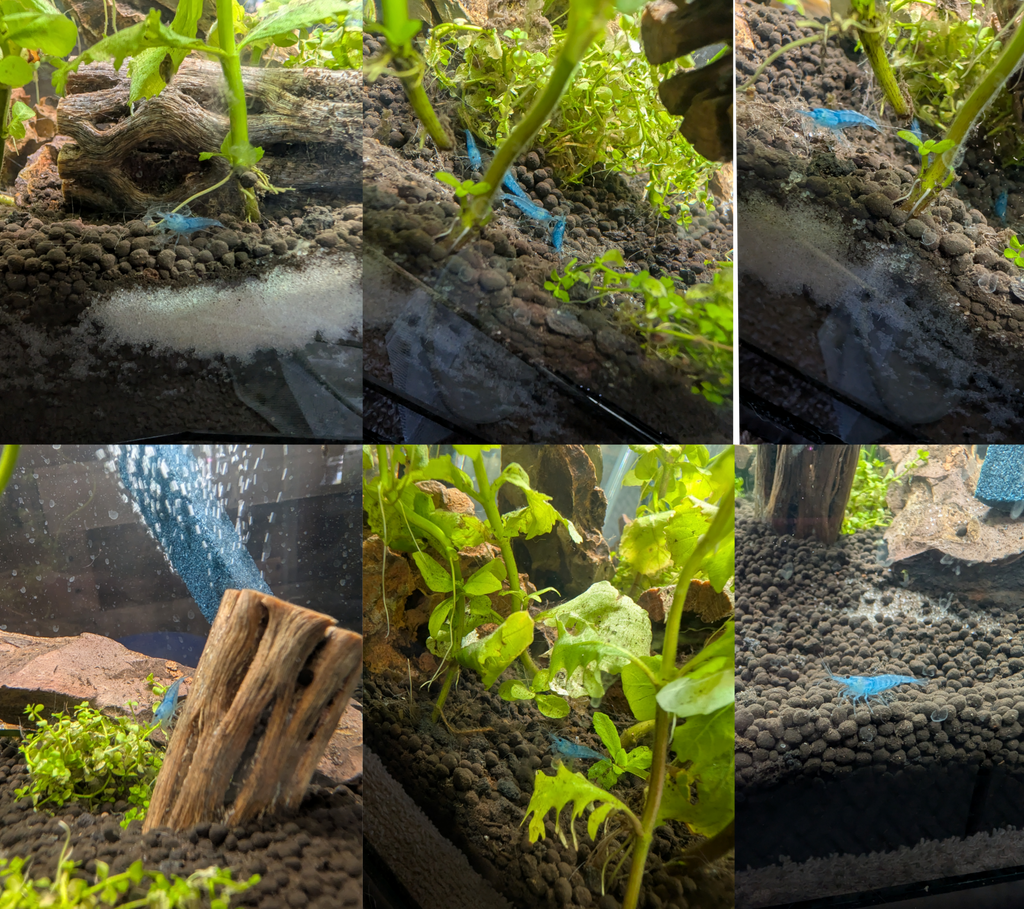
Thank you, Shelby! We’re so happy to hear you’ve had great experiences with our team and your Blue Jelly Shrimp. We truly appreciate your continued support! If you have any issues, please email us at support@superiorshrimpaquatics.com.
B
I ordered Blue Jelly shrimp from three different vendors, and the ones I got from Superior Shrimp were by far the best. The other two sent what I’m convinced were culls — pale and dull. But these were true Blue Jellies, vibrant, healthy, and absolutely stunning. Excellent quality, beautiful shrimp, and packed with care. Highly recommend Superior Shrimp!
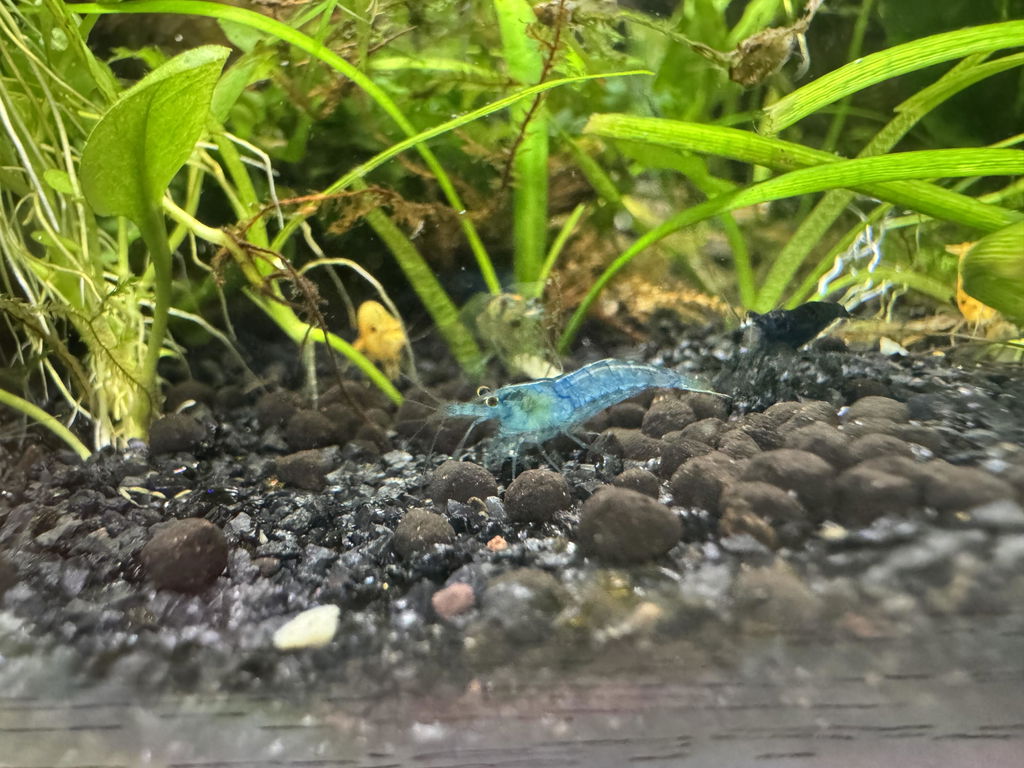
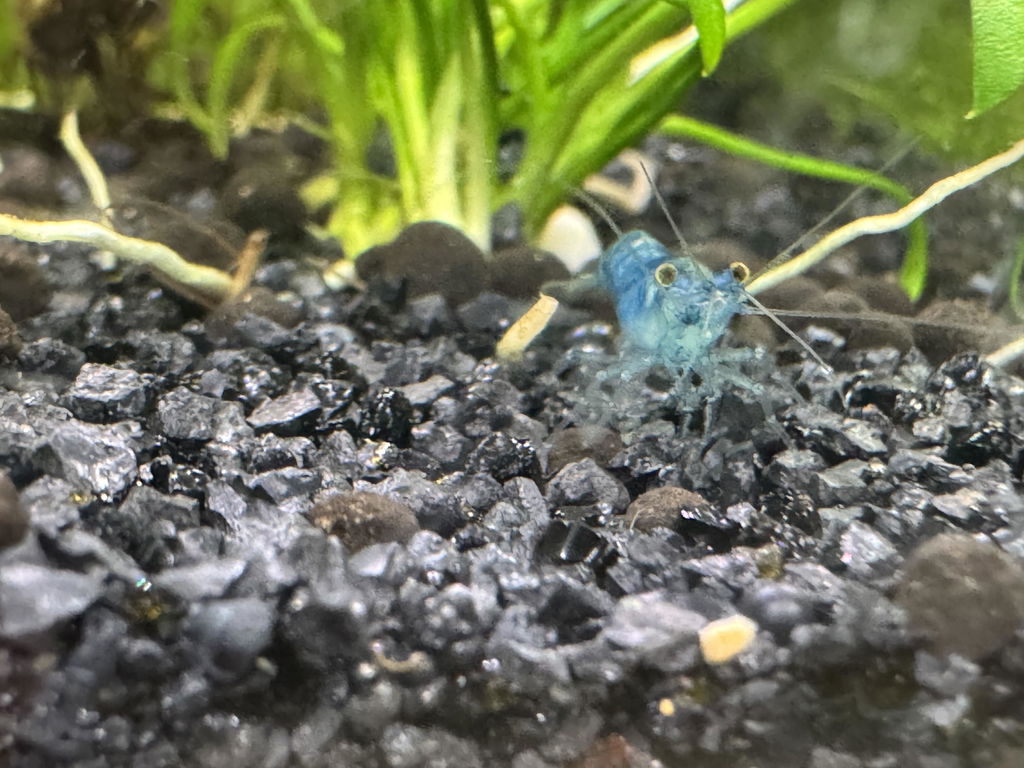
Thank you, Beth! We’re thrilled to hear your Blue Jelly Shrimp arrived vibrant, healthy, and well packed. We really appreciate you comparing your experience and sharing such kind feedback about their quality. If you have any issues, please email us at support@superiorshrimpaquatics.com.
A
Ordered blue jelly but received blue dream. Still love the shrimp though
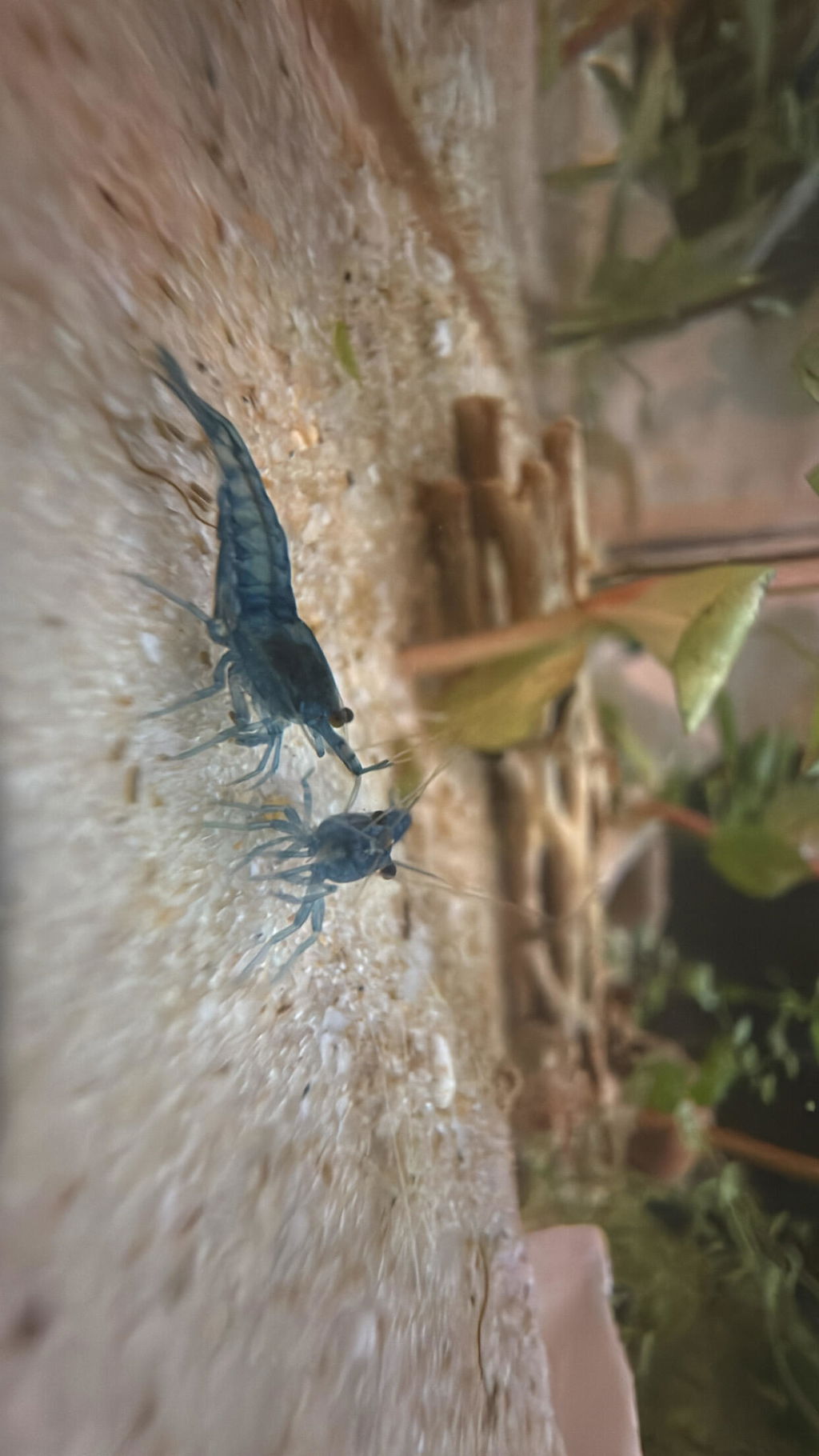
Hey! Those look like blue jellys. Pretty high grade from the ice like blue they have. Blue dreams would be almost a darker blue with black spots on them. I sent you an email to see if could help more!
A
5 beautiful blue shrimp arrived healthy and wiggly. Drip acclimation, added to tank, and immediately started on clean up duty. Awesome!
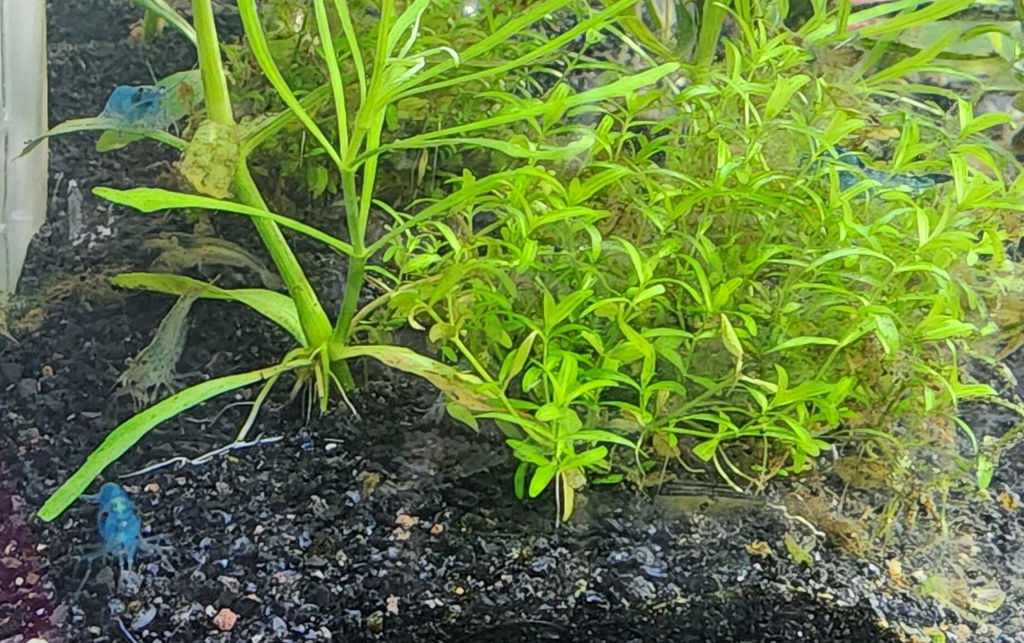
Thank you, Jill! We’re so glad your Blue Jelly Shrimp arrived healthy, active, and ready to get to work. Sounds like they settled in beautifully after drip acclimation. Enjoy your new cleanup crew!
A
Lovely shrimp shipped with love!
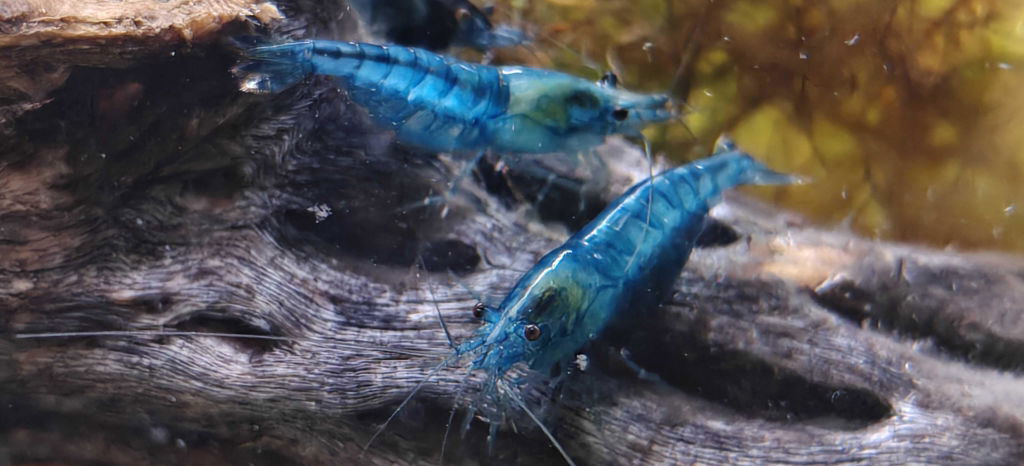
Thank you, Rebecca! We’re so glad your Blue Jelly Shrimp arrived safely and that the care in shipping came through. We appreciate your kind review!
H
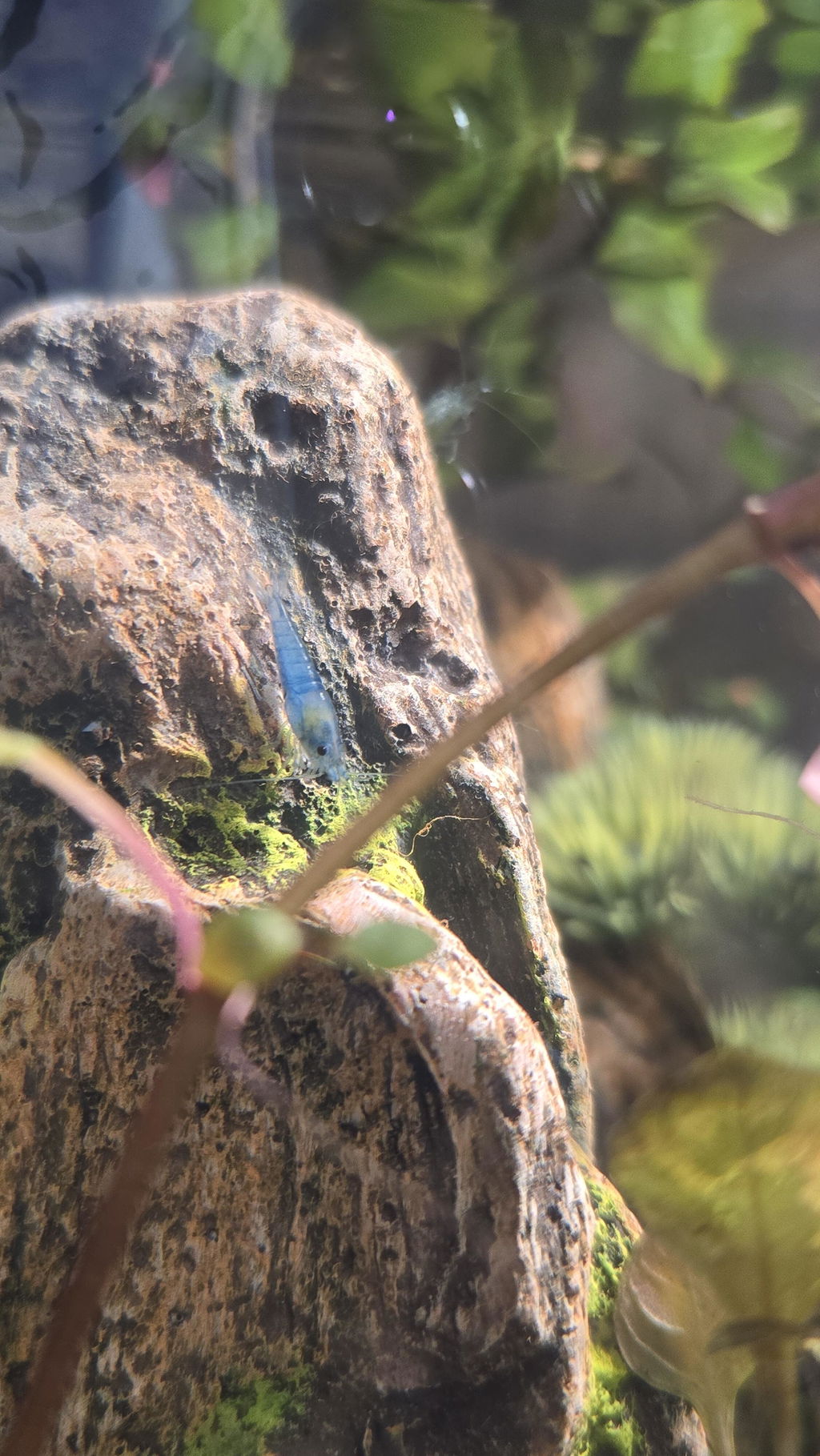
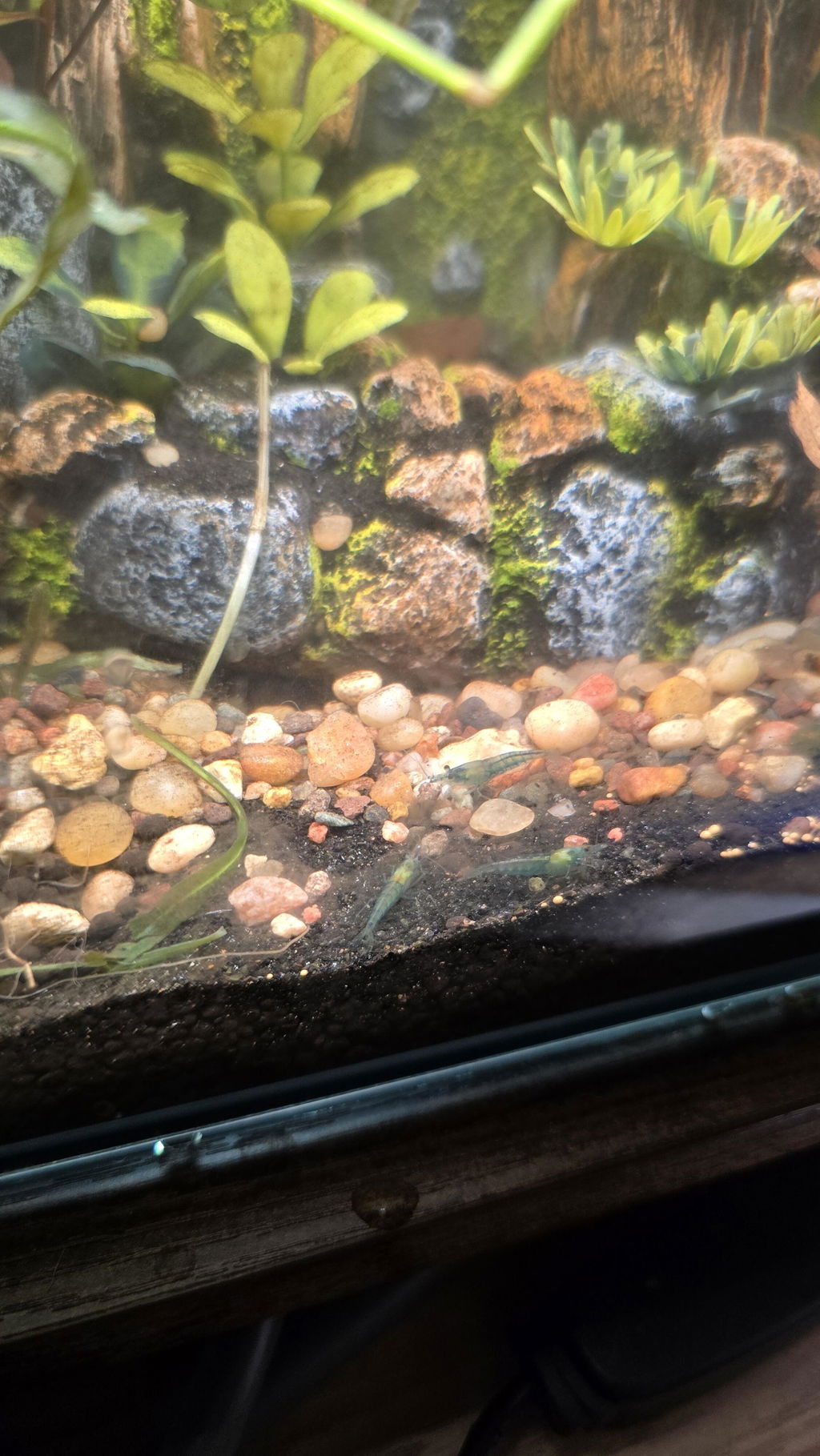
I added these to my order last second and I'm glad I did. They are so icy blue and they are super active and healthy.
S
I am ALWAYS pleased with the quality of shipping and the shrimp. Thank you again as always. Super pleased.
M
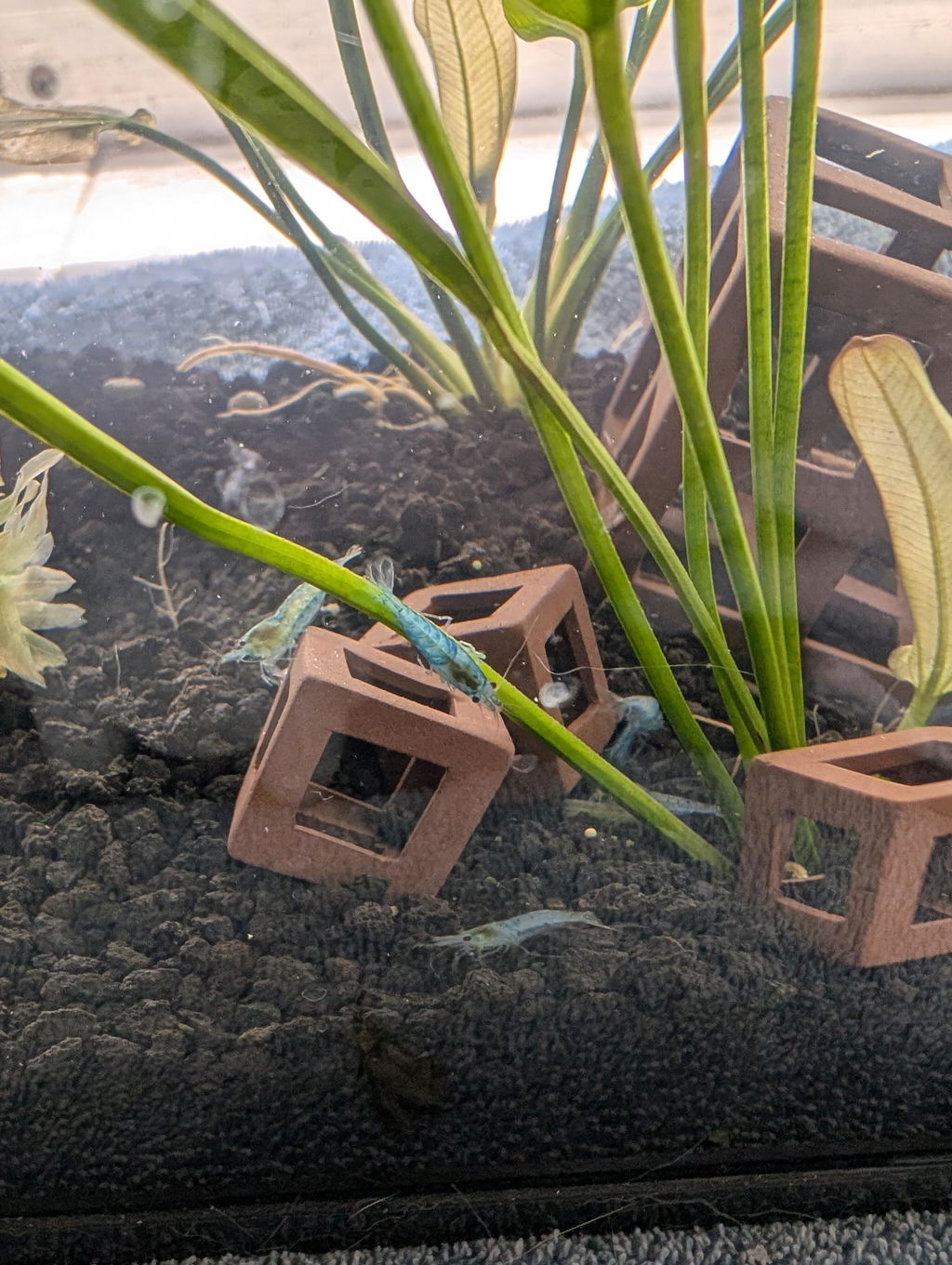
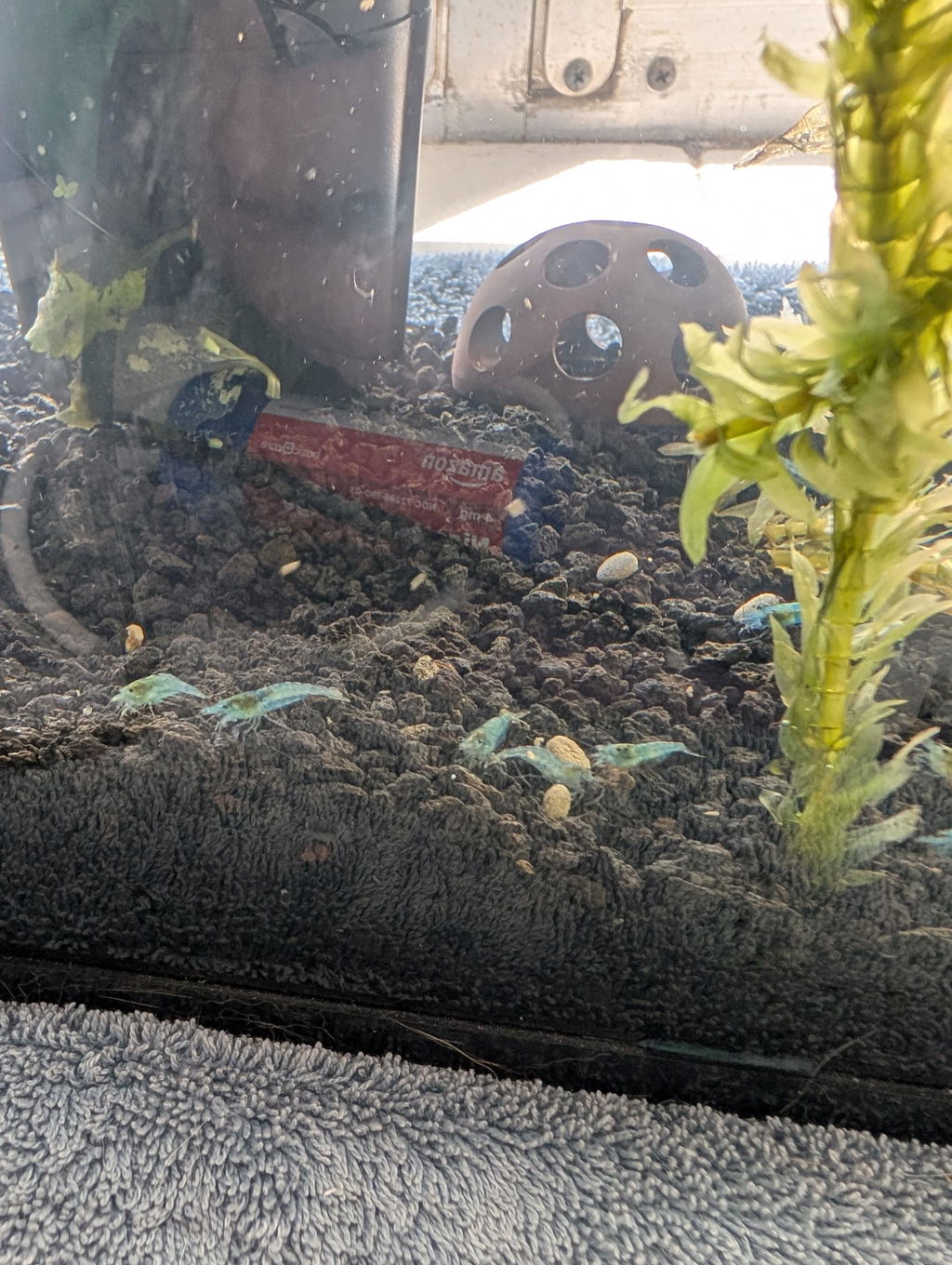
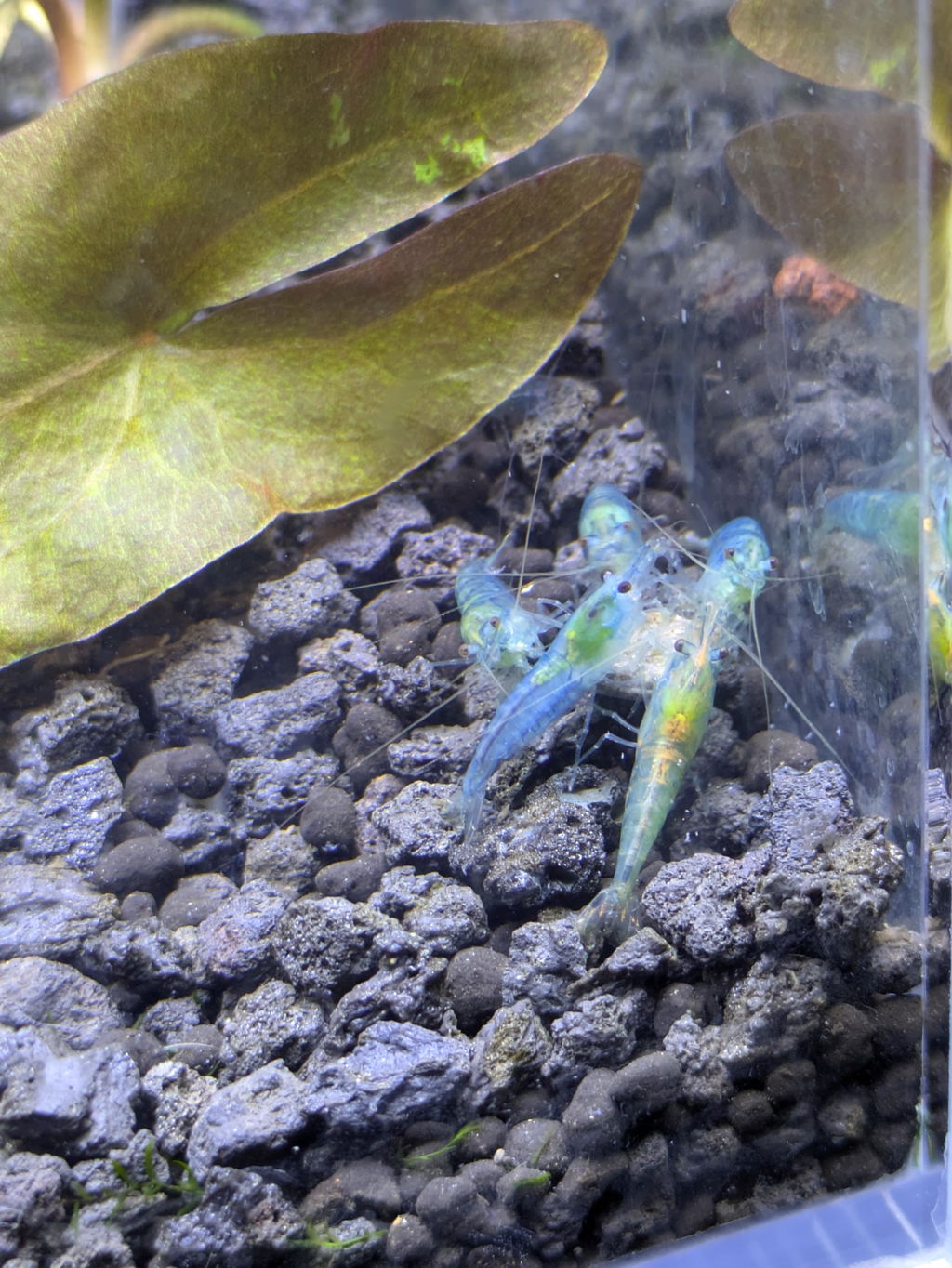
I ordered 10, they arrived within a week all alive and healthy. They survived the first 24hrs in my tank and have been happily eating. Over half were female as well, perfect for my breeding tank.
A
Shrimp arrived alive and healthy!
Thank you, James! We’re so glad your Blue Jelly Shrimp arrived alive and healthy. We appreciate your review! If you have any issues, please email us at support@superiorshrimpaquatics.com.
A
amazing and healthy shrimp
Thank you, Anahi! We’re so glad to hear your Blue Jelly Shrimp arrived healthy and that you’re happy with them. If you have any issues, please email us at support@superiorshrimpaquatics.com.
A
The shrimp and snails I received were happy and healthy. They were well packaged as well. I had to switch from direct shipping to UPSpickup due to local temperatures and the owner was incredible helpful and responsive. They got everything switched over. Very happy overall.
Thank you, Summer! We’re so glad your Blue Jelly shrimp and blue ramshorns arrived happy, healthy, and well packaged. We appreciate you working with us on the UPS pickup switch due to local temperatures, and we’re happy the experience was a positive one overall. If you have any issues, please email us at support@superiorshrimpaquatics.com.
A
Unfortunately almost all the shrimp I got from you died. Very sad. Only one blue jelly and one red rili and a couple orange from the skittles batch are still alive. I can't tell about the yellows, since I added them to a yellow shrimp tank which is heavily scaped. I did drip water intro on all.
Thank you for the help you did give me with other things.
Hi, sorry to hear about the losses. I appreciate the kind note on the other end too.
Every order includes printed acclimation instructions that we recommend following for shipped livestock. Shipping is stressful on shrimp and the acclimation process is where most post-arrival losses happen, so following the included steps gives them the best shot at recovery.
Feel free to reach out at support@superiorshrimpaquatics.com if you want to walk through anything for next time.
John
Superior Shrimp & Aquatics
S
Everything arrived perfect!! One shrimp died, but therr was an extra so no worries ◡̈
M
Everything came alive and in good health
Thanks, Matthew! We’re glad to hear your Blue Jelly Shrimp arrived alive and in good health. We appreciate your review! If you have any issues, please email us at support@superiorshrimpaquatics.com.
S
So beautiful!!
Thank you, Susan! We’re so glad you think the Blue Jelly Shrimp are beautiful and appreciate you sharing your excitement.
M
Ordered a breeder pack, shipped very quickly from designated date. Color and size where pretty good. 2 dead on arrival but everything that was alive transferred great. Package was a little damaged but the packing inside was so good it didn't matter. Good buying experience and would buy again.
Thank you, Miguel! We’re glad to hear your Blue Jelly Shrimp breeder pack shipped quickly, looked good, and that the shrimp that arrived safely transferred well. We’re sorry about the 2 DOA and the damaged package, though. Please reach out to support@superiorshrimpaquatics.com so we can help with that concern. We appreciate your feedback and are happy you had a good buying experience.
C
Awesome they came just like the photo all alive one with eggs!
B
Shrimp arrived on time and with none DOA. HSuch little cuties! they included at least one extra with my breeder 10 pack.
Thank you, Britany! We’re so glad your Blue Jelly Shrimp arrived on time, healthy, and with a little extra in the group. Enjoy those little cuties!
J
Shrimp came very well packaged. I had 1 dead eaten shrimp in the bag as expected. It’s been 24 hrs give or take and have lost 2 more since being in there tank after a 4 hr drip acclimation. Hopefully the remaining 9 survive and thrive… to still be determined
Thank you, Jessica. We’re glad the Blue Jelly Shrimp arrived well packaged, but we’re sorry to hear about the loss in the bag and the two after acclimation. A slow drip is a great step, and the next 24 to 48 hours are important for keeping parameters stable and minimizing stress. If you have photos, order details, and current water parameters, please reach out to support@superiorshrimpaquatics.com so we can take a closer look and help with next steps.
C
Great quality. Arrived fast. All my shrimp were healthy, alive and active :). So far they are doing great in their new home! Would buy again for sure.
Thank you, Chris! We’re so glad to hear your Blue Jelly Shrimp arrived quickly, healthy, and active. It’s great to know they’re settling into their new home well, and we truly appreciate your support!
M
Had one DOA but there were extra.
Thank you, Michele! We’re sorry one arrived DOA, but we’re glad the extras helped and that you were happy with your Blue Jelly Shrimp overall.
D
Received my shrimp quickly and they were packed well and all healthy, active and no DOAs. Superior is the third place I have ordered shrimp from in the last month and third time was the charm for getting great looking healthy shrimp. Very happy with my purchase and plan on ordering more soon.
Thank you, Deanna! We’re so glad your Blue Jelly Shrimp arrived quickly, well packed, and active with no DOAs. It means a lot to hear they stood out after your recent shrimp orders elsewhere. We appreciate your support and hope you enjoy your new shrimp!
D
So happy with my order. All the shrimp made the transport and Superior shrimp added extras. 5 days later they are all alive and doing well. I had them shipped when it was still winter.
C
All skrimps arrived happy and healthy, with vibrant colors and tons of activity. You can tell this breeder cares for their creatures very much, and they took a lot of care to get them to me safely
A
Beautiful shrimp