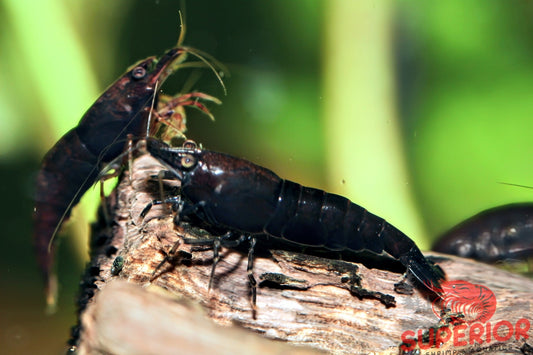
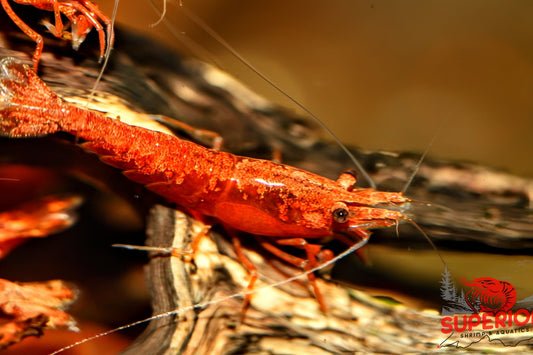
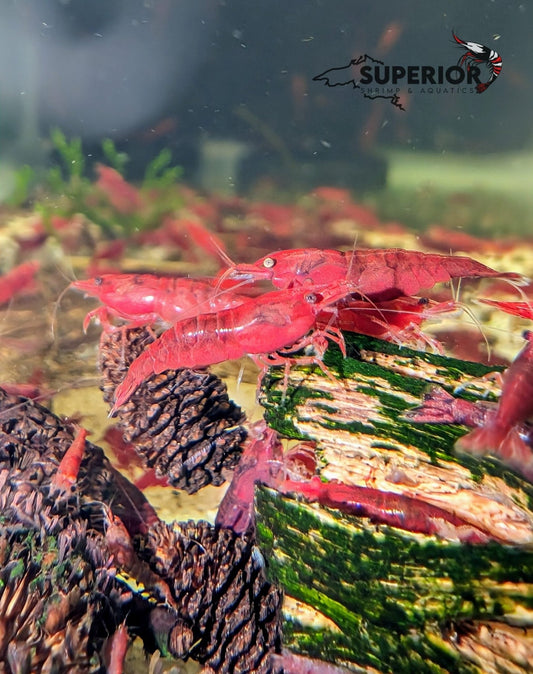
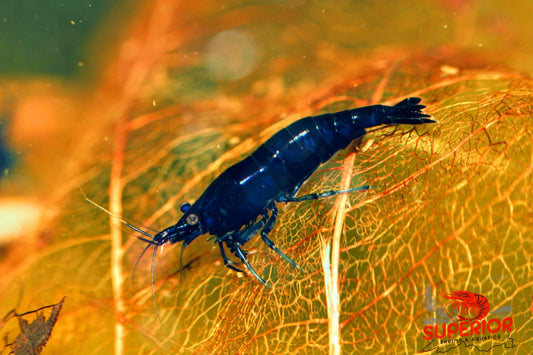
Dried Alder Cones are small, woody botanical items -- the seed cones of the common alder tree -- that function in the shrimp aquarium as a gentle tannin and humic acid source, a dense biofilm substrate, and a gradual decomposing organic structure that shrimp, shrimplets, and microfauna actively work over for weeks. They are one of the most widely used botanicals in the shrimp and nano tank hobby because their small size makes them easy to use in any quantity, their compact, multi-faceted structure develops biofilm in the gaps between the cone scales at a density that exceeds what flat botanical surfaces produce, and their tannin contribution per cone is mild and predictable rather than the large initial release of bigger botanical items. A handful of alder cones scattered across the substrate or clustered around hardscape produces an immediate, natural-looking leaf-litter-style bottom treatment and begins developing biofilm within days of introduction. Safe for all Neocaridina, Caridina, and snails.
What to Expect
Benefits, Biofilm and Use
Dense biofilm develops between cone scales -- the most concentrated foraging structure per botanical size -- the multi-layered, overlapping scale structure of each alder cone creates a network of sheltered gaps and surfaces between the scales where biofilm develops at a density substantially higher than on flat botanical surfaces. Shrimp work into these gaps between scales and are observed actively feeding from the interior of the cone structure -- a foraging behaviour that is particularly pronounced on cones that have been in the tank for one to two weeks at peak biofilm development.
Slow, gentle tannin release -- predictable and mild per cone -- each cone releases tannins at a rate that is mild and predictable relative to its small size. This makes dosing straightforward -- add more cones to increase tannin contribution, remove cones to reduce it. The contribution of individual cones is small enough that overcautious first-time botanical keepers can start with two or three cones and add more incrementally as they observe the water chemistry effect.
Supports blackwater chemistry gently -- particularly effective in soft water -- the tannins and humic acids released by alder cones contribute to the amber water colour, mild pH-buffering effect, and humic compound content of blackwater chemistry. In soft water tanks these contributions are more pronounced than in hard, well-buffered water where the alkalinity neutralises the pH contribution of the tannins. In Caridina tanks with low KH, even a small number of alder cones produces a visible water tint and measurable humic acid presence.
Compact size allows flexible placement and easy quantity adjustment -- the small size of individual cones means they can be placed in any position -- scattered across the substrate, clustered against hardscape, tucked into moss, or concentrated in a specific zone of the tank. Adding or removing individual cones requires no disruption to the layout, and the quantity in the tank can be adjusted at any water change without any structural change to the setup.
Shrimplets actively forage the cone interior structures -- the gaps between cone scales are sized appropriately for shrimplets to enter and work the interior biofilm surfaces -- a foraging behaviour that makes active alder cones one of the most reliable shrimplet concentration points in the tank and one of the most effective natural food sources for newly released juveniles without targeted feeding.
Decomposes fully over six to ten weeks -- replace as needed -- alder cones decompose more slowly than leaf botanicals because the woody cone structure resists breakdown longer than leaf tissue. Each cone remains a productive biofilm substrate for six to ten weeks in typical tank conditions. Replace spent cones -- identifiable by their pale, soft, mostly consumed structure -- with fresh ones to maintain continuous biofilm availability.
How to Use Them
Getting Started
1Rinse in cool water before introduction -- a brief rinse under cool running water removes loose dust and surface contaminants from drying and storage. Do not boil -- boiling extracts a large portion of the tannin content before the cone reaches the tank and significantly reduces the biofilm development potential of each cone.
2Introduce two to five cones per 20 litres as a starting point -- begin with a conservative quantity and observe the water tint over the first week. In soft water tanks with low KH the tannin contribution is more pronounced and visible than in hard water tanks. Adjust quantity upward or downward based on observed water colour and any pH changes recorded after introduction.
3Scatter across substrate or cluster near hardscape and moss -- place cones in the positions where shrimp spend the most time -- near existing moss patches, at the base of driftwood, or in open substrate areas where grazing shrimp are most active. Multiple cones in a concentrated cluster produce a collective foraging zone that becomes a reliable focal point for colony activity within one to two weeks of introduction.
4Replace spent cones and maintain a rotation -- when cones become pale, soft, and structurally consumed, replace with fresh ones. Maintaining two or three cones at different decomposition stages -- one fresh, one at peak biofilm, one nearly spent -- provides continuous biofilm food availability without the peak-and-gap cycle of all-fresh or all-spent stock simultaneously.
Bonus TipAlder cones in a breeding setup or shrimplet rearing tank are more valuable per gram of botanical than in a display tank -- the scale-gap interior structure that shrimplets actively enter and forage is proportionally more significant to very small animals that cannot easily graze on the broad surfaces available to adults. A cluster of four to six alder cones near the release zone of a berried female provides the richest natural food source for newly released shrimplets available per unit of tank space occupied, and the dense interior foraging activity of a cluster of cones watched under good lighting is among the most rewarding shrimplet observation experiences the hobby offers.
🍁
Browse more botanicalsPair Alder Cones with Banana Leaves, Indian Almond Leaves, or Lotus Pod for a complete botanical setup. Browse our Botanicals collection.
→