Orange River Snail | Freshwater Aquarium Algae Eater – Superior Shrimp & Aquatics
Ir directamente al contenido

15% OFF STORE WIDE! ENDS MARCH 15TH

Inicio de sesión

Orange River Snail

Orange River Snail

Precio habitual $12.00
Precio habitual Precio de oferta $12.00
Agotado
Los gastos de envío se calculan en la pantalla de pago.
Pack Size: 1

Subtotal:

$12.00
Ver todos los detalles
Descripción
Orange River Snail – Superior Shrimp & Aquatics
Freshwater Snails

Orange River Snail

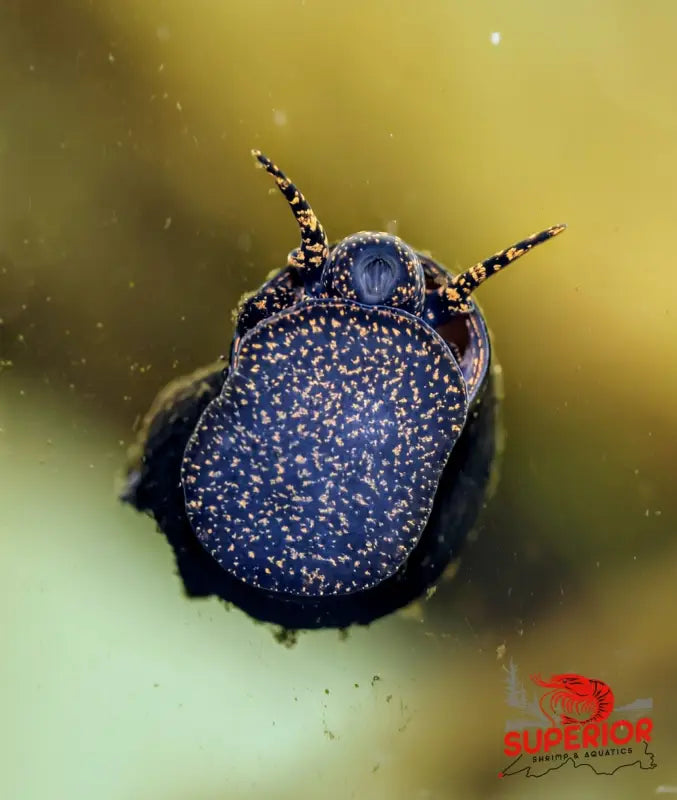
A striking live-bearing Viviparus with a warm orange shell, an operculum, and a calm, deliberate presence in any planted tank.

Warm Orange Shell Live-Bearing Species Operculum Equipped Algae & Biofilm Grazer Shrimp Safe Beginner Friendly

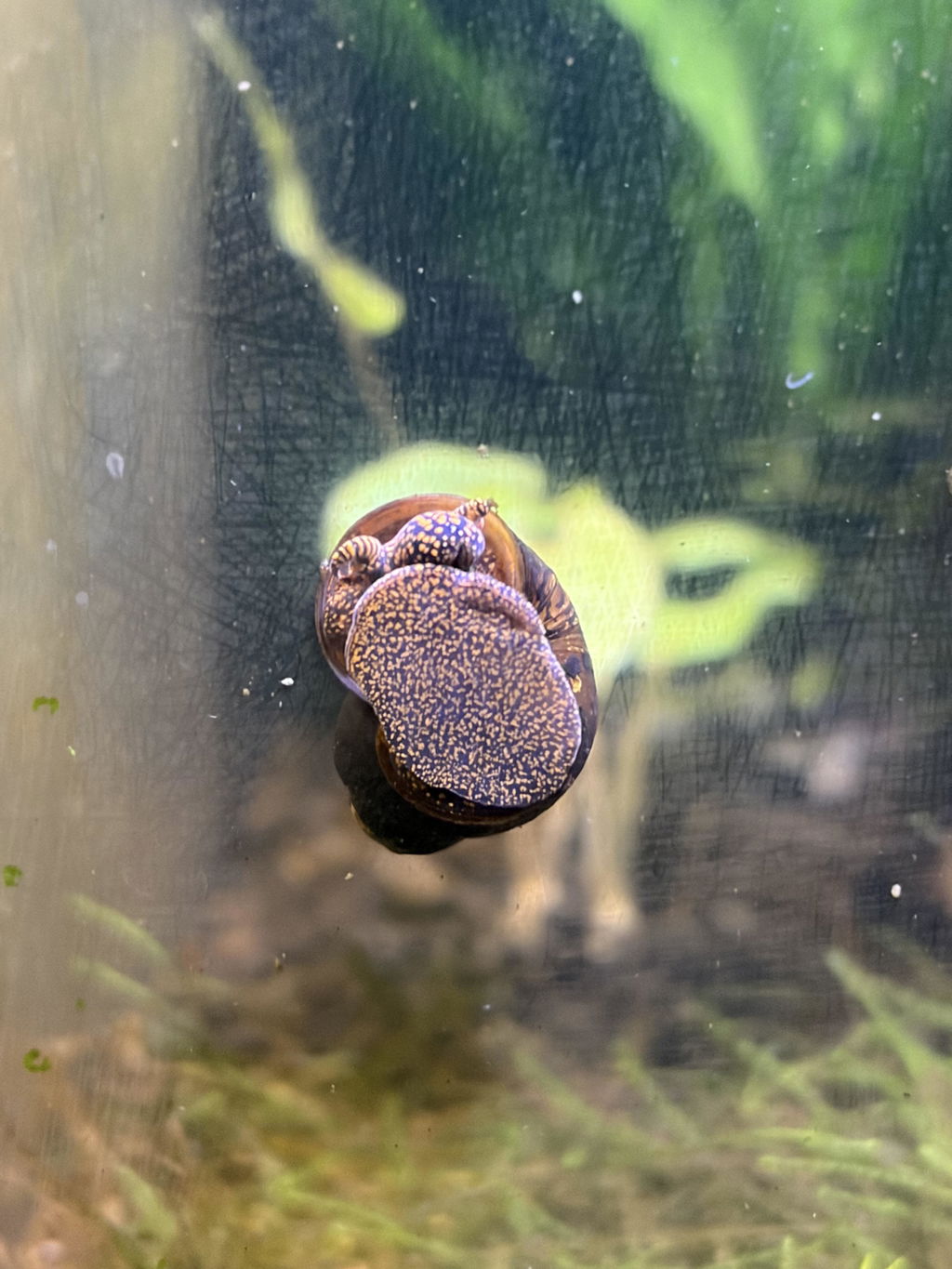
The Orange River Snail (Viviparus sp.) is a live-bearing freshwater snail that brings genuine color to the tank floor — its rounded shell carries warm orange tones that stand out naturally against dark substrates, driftwood, and green plant backgrounds. Like other Viviparus, it is equipped with an operculum — a hard trapdoor that seals the shell opening when the snail retracts, offering protection and acting as a reliable health indicator. It gives birth to fully formed juveniles rather than laying eggs, which means population growth is slow and manageable. A peaceful, shrimp-safe grazer that works steadily through algae, biofilm, and settled detritus, the Orange River Snail is a low-maintenance and visually rewarding addition to planted aquariums and community setups.

7.0–8.0 pH Range
GH 6–15 General Hardness
KH 3–10 Carbonate Hardness
65–78°F Temperature

Appearance & Behavior Over Time

Rounded shell with warm orange coloration — the shell is smooth and globose with a distinctive warm orange to amber tone that varies subtly between individuals. Shell color and intensity are influenced by diet and water mineral content, with harder water generally supporting richer shell development. Operculum as a health indicator — a healthy Orange River Snail retracts and seals with its operculum when disturbed. A snail that remains retracted for extended periods without sealing, or one that hangs limply from its shell without retracting, may be stressed or declining. The operculum check is the most reliable way to assess snail health without handling. Slow, manageable reproduction — as a live-bearing species, Viviparus produces fully formed juvenile snails rather than egg clutches, and does so at a much slower rate than egg-laying snails. Population growth is gradual and self-limiting in a balanced tank, making overpopulation a non-issue under normal conditions. Active substrate and surface grazer — the Orange River Snail moves deliberately across the substrate, glass, hardscape, and plant surfaces, consuming algae, biofilm, and organic detritus as it goes. It is more active during dim light periods and after lights out. Shell requires adequate mineral support — like all hard-shelled snails, Viviparus depends on sufficient GH and KH to maintain strong, intact shells. Soft or acidic water causes shell pitting and erosion over time. Slightly alkaline, moderately hard water is ideal for long-term shell health. Peaceful and fully shrimp-safe — the Orange River Snail will not predate on shrimp, eggs, or shrimplets under any circumstances and is compatible with all Neocaridina and Caridina setups.

Getting Started

1 Acclimate slowly to the new tank — float the bag for 15 minutes to equalize temperature, then add small amounts of tank water over 20–30 minutes before releasing. Viviparus are sensitive to sudden parameter shifts and benefit from a gradual, unhurried acclimation process.
2 Maintain stable mineral levels — target pH 7.0–8.0 with GH 6–15 and KH 3–10. Consistent, moderately hard water is the most important long-term care factor for shell integrity. Avoid pure RO water or very soft setups without remineralization.
3 Provide a varied food source — the Orange River Snail grazes naturally on algae and biofilm, but benefits from supplemental feeding with algae wafers or blanched vegetables when natural food sources are low, particularly in newer, less established tanks.
4 Use sand or fine gravel substrate — a smooth or fine-grained substrate allows the snail to move naturally and graze the bottom effectively. Coarse gravel can make movement awkward and may trap juveniles in gaps between substrate particles.
💡 Bonus Tip

The operculum is the most reliable way to check whether a motionless snail is alive or dead — a living snail will seal its operculum flush against the shell opening when retracted, while a deceased snail will have a loose or absent operculum and typically produce a noticeable odor. When in doubt, check the operculum before assuming the worst.

🌿
Complete the setup with live plants

Plants provide essential hiding spots and enhance the natural look of your tank, creating a healthier, more enriching environment for your snails and shrimp. Browse our Aquatic Plants collection.

Before placing your order, please review our 📋 DOA Policy 🚚 Shipping Info
Reseñas

Customer Reviews

Based on 14 reviews
71%
(10)
7%
(1)
7%
(1)
0%
(0)
14%
(2)
B
Ben B
Orange River Snail

Orange River Snail was in great shape and within the first week, it gave birth to two live babies. Still alive and well, and growing nicely. Highly recommended. They are very active!

M
Mollie

Absolutely LOVE this snail! HIGHLY recommend.

T
T.H.

Arrive on time and intact. The bags are still warm to touch.

Z
Zachary

Very beautiful snails, very active and arrived in great shape even with the cold temps we had in Iowa. This is also an amazing seller was very responsive and did everything in thier power to deliver me some very cool snails.

Z
Zoey

Happy little dude, very cute!

Home Shop
Lista de deseos
Iniciar sesión