


Size
¼–½ inch
We select this size because younger shrimp generally tolerate shipping and adjust to a new aquarium better than fully grown adults. Proper acclimation and stable water conditions remain essential.
Photos & appearance
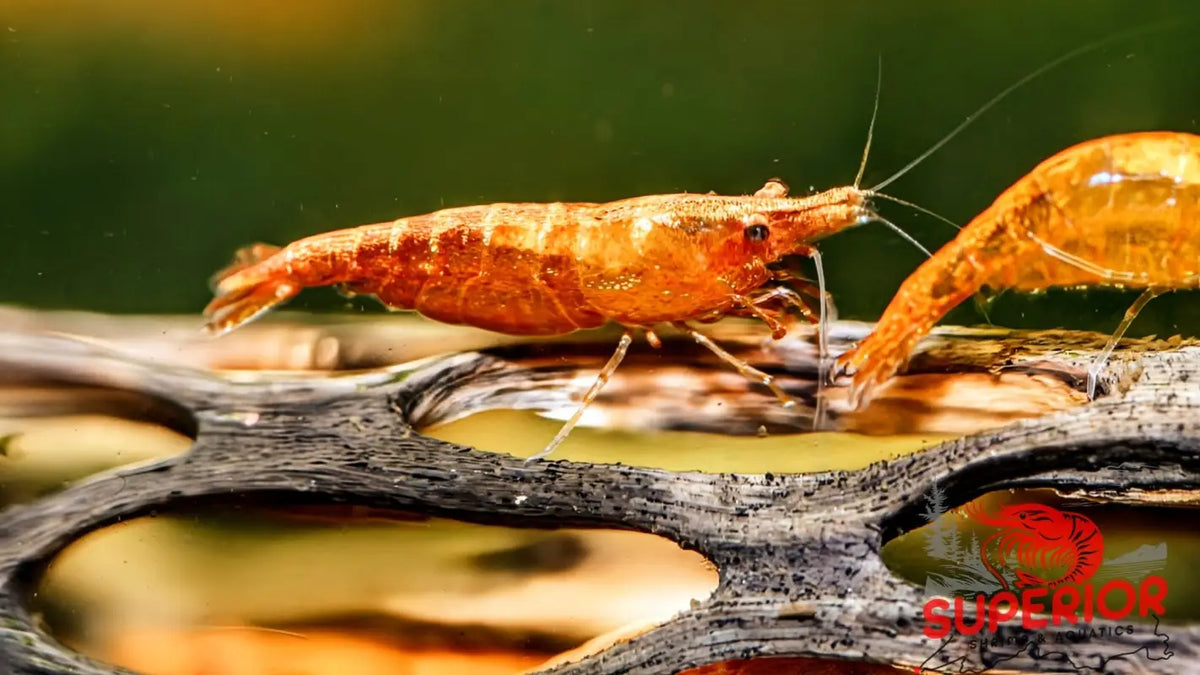
Product photos show representative examples of the shrimp’s variety and appearance. They do not show the exact animals you will receive or guarantee an identical color, pattern or intensity.
Individual appearance can vary with age, sex, lighting, substrate, aquarium conditions and shipping stress. Shrimp may arrive with lighter coloration and develop fuller color as they settle and mature.
Photos may show mature individuals. Please use the stated size and pack details to understand what you are purchasing.
Grades & selection
Unless a listing explicitly states a grade or selection standard, such as “S Grade” or “Painted Fire Red,” shrimp are sold as mixed grade. When specified, that listing’s grade or selection standard applies.
Even within the same grade, color coverage, intensity and pattern naturally vary. Individual shrimp are not guaranteed to look identical to the product photos.
Natural differences between males and females also apply to S Grade selections. Males may be smaller and less intensely colored than females of the same variety, including within an S Grade selection. This difference alone does not mean a male is incorrectly graded.
Natural variation alone is not considered a DOA claim. If you believe you received the wrong variety or a product that does not match its stated grade, contact us with clear photos so we can review it.
Males & sex selection
Male shrimp may be smaller and less intensely colored than females of the same variety. This difference alone does not indicate poor health or an incorrect grade. This also applies to S Grade selections; selecting a grade does not guarantee female-like size or color intensity in males.
Unless the listing explicitly promises a particular sex or ratio, individual males, females and sex ratios are not guaranteed.
Breeder packs
Breeder packs include a minimum of 8 females and 2 males. Bonus shrimp are random scoops and are not selected by sex, so your pack may contain more than 2 males when bonuses are included.
A breeder pack does not guarantee adult size, berried (egg-carrying) females, immediate breeding or a particular number of offspring.
Breeding results depend on maturity, acclimation and aquarium conditions.
What to expect after shipping
Temporary faded color, hiding, reduced activity and reduced appetite can occur after shipping. Provide a stable, established aquarium with appropriate conditions and follow proper acclimation practices.
Shipping stress alone is not a confirmed DOA. Our guarantee covers confirmed losses on arrival under its stated conditions; losses after the two-hour claim window are not covered.
Bonus shrimp & your paid count
When inventory allows, we may include one bonus animal for every five ordered of the same species. Bonuses are discretionary, are not guaranteed and are not separately eligible for refund or replacement.
Bonus shrimp are random scoops, not sex-selected. They may be male or female and can change the overall sex ratio of a breeder pack, including bringing the total above 2 males.
Bonus animals count toward the total arriving alive. Guarantee coverage applies when live arrivals fall below the number you paid for.
For a suspected short count, document the animals, empty bag and shipping label before introducing shrimp to your aquarium. Refer to the full policy for the required counting photos.
Molting, shelter & handling
Shrimp shed their exoskeleton as they grow. A transparent, empty molt can resemble a shrimp; finding one does not by itself mean an animal has died. Provide grazing surfaces and shelter so freshly molted shrimp can remain undisturbed.
Avoid handling delicate shrimp to check their color or sex. If an animal appears injured, trapped in a molt or dead on arrival, photograph its condition through the unopened bag and report the concern promptly. Care observations do not replace the guarantee’s claim evidence.
Choosing tankmates & maintaining color lines
Small shrimp and shrimplets can be eaten by fish, even when adult shrimp appear to coexist with them. Dense plants and hiding spaces reduce exposure but cannot guarantee survival with predators. Review the particular shrimp’s water requirements alongside those of any tankmates.
Different Neocaridina color lines can interbreed, and offspring may not retain the parent colors. A mixed-color display and a breeding project with a consistent color line have different goals. A shrimp’s appearance at purchase does not guarantee the appearance of future offspring.
Acclimation & ongoing care
Prepare a stable, established aquarium before delivery. Use the acclimation guidance appropriate to the species and compare your measured water conditions with its published requirements rather than changing water rapidly to chase a single number.
Inspect and document any arrival concern before transferring animals, following the full guarantee’s documentation rules. Ongoing feeding, water quality and breeding outcomes depend on aquarium conditions; the Live Arrival Guarantee is an arrival policy, not a promise of future breeding or lifespan.
Checking quantities & reporting a short count
Check the actual animals received against your paid order quantity. For a suspected short count, the full policy calls for a clear counting photo showing all animals, the empty bag and the shipping label before they are introduced into an aquarium. Follow its counting instructions and contact us if you cannot document the count clearly.
Verified miscount claims are resolved with a refund for the missing paid animals under the current policy. A count made after release can be unreliable when animals hide among plants or hardscape.
Before opening: photographs & your first report
Use the email address on the original order and include all arrival concerns in the initial message to support@superiorshrimpaquatics.com within two hours of the carrier’s recorded delivery time. Photograph the sealed bag, visible and countable animals, shipping label, box and packing materials.
If the bag is leaking or damaged, photograph the leak or damage and wet packing before opening. Keep the original photographs and packaging. For cloudy water that prevents counting, take the original cloudy-water photo first and follow the full policy’s specific additional clear-container documentation instructions.
The guarantee contains restrictions on opening bags, acclimation and transfers. Review those instructions before taking action so the evidence needed to assess the claim is preserved.
Arrival problem? Document it promptly.
Email support@superiorshrimpaquatics.com within two hours of the carrier’s recorded delivery time, using the email address on your order.
- Photograph the original sealed bag with the animals visible and countable.
- Include the shipping label, outer box and packing materials.
- Document any bag damage or leakage before opening.
- Report all arrival losses in your initial message.
Read the full guarantee for photo requirements, cloudy-water documentation and claim eligibility before opening or transferring animals. Approved claims are resolved under the options and conditions stated there.
Shipping & coverage limits
Ground shipping carries increased risk for live animals, and the policy reserves the right to refuse guarantee claims on ground shipments. Choose your shipping method carefully.
The guarantee applies to the first delivery attempt. Redirection, pickup holds and carrier delays can affect eligibility under the full policy. Any product-specific coverage restrictions stated in a listing also apply.
Hitchhikers & quarantine
Live aquatic products can carry tiny hitchhikers or eggs despite inspection. Pest-free arrival is not guaranteed. We recommend quarantining new arrivals before introducing them into an established aquarium.
Returns
Care guidance in this tab does not create additional guarantee requirements or exclusions. Please read the full policies for complete eligibility, documentation, resolution and return requirements.